Anonymous
Mar 28, 2026
Rating: 5/5
Perfect for IoT prototypes
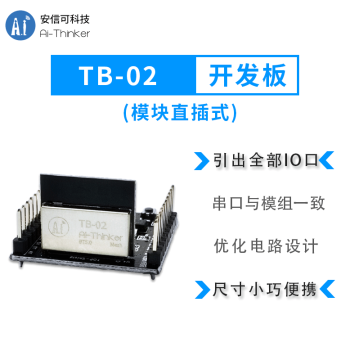
This mini D1 board is incredibly compact and works flawlessly with the Arduino IDE. The built-in USB-to-serial converter makes uploading sketches a breeze without needing extra adapters.
Description
Reviews
| Brand | - |
| Category | Robotics / STEM Teaching Tools / Development, Learning, Evaluation & Industrial Control Boards |
| Origin | - |
| Microcontroller | ESP8266EX |
| Flash Memory | 4MB (32Mbit) |
| Operating Voltage | 3.3V |
| Input Voltage | 5V via Micro USB |
| Digital I/O Pins | 11 |
| Analog Input Pins | 1 (A0) |
| Wi-Fi Standard | 802.11 b/g/n |
| Clock Speed | 80MHz / 160MHz |
| Interface | Micro USB, UART, SPI, I2C |
| Dimensions | 34mm x 17mm x 9mm |
Anonymous
Mar 28, 2026
Rating: 5/5
Perfect for IoT prototypes
This mini D1 board is incredibly compact and works flawlessly with the Arduino IDE. The built-in USB-to-serial converter makes uploading sketches a breeze without needing extra adapters.
Anonymous
Mar 26, 2026
Rating: 5/5
Compact and powerful
The ESP-12F module on this board is genuine. I love how small it is compared to the NodeMCU boards while retaining all the necessary pins for my projects.
Anonymous
Mar 19, 2026
Rating: 5/5
Reliable Wi-Fi performance
I've deployed six of these in my smart home setup for sensor nodes. The Wi-Fi signal strength is surprisingly good for such a small form factor, and they haven't dropped connection once.
Anonymous
Mar 15, 2026
Rating: 4/5
Good for learning embedded systems
Used this for my university final year project. Documentation online is plentiful. Only downside is the GPIO pin labeling on the silkscreen is a bit tiny to read without magnification.
Anonymous
Mar 14, 2026
Rating: 4/5
Great value but needs patience
For the price, you can't beat it. It took me a little while to install the correct drivers on Windows 10, but once that was sorted, it connected immediately. Highly recommended for beginners.
Anonymous
Mar 12, 2026
Rating: 5/5
Exceeded expectations
Fast shipping and the board arrived well-packaged. Tested the deep sleep mode for a battery-powered project and the current consumption is exactly as specified in the datasheet.
Q: Can I power this directly with a 3.7V LiPo battery?
A: While the ESP8266 runs on 3.3V, this board includes a voltage regulator. You can safely power it via the VIN pin with a range of 5V to 12V. For direct 3.7V LiPo connection, ensure your specific battery voltage stays within the regulator's dropout limits or use the 3.3V pin with caution.
Q: Does it support Over-The-Air (OTA) updates?

A: Absolutely. Since it has built-in Wi-Fi, you can easily implement OTA updates in your code to upload new firmware wirelessly after the initial USB flash.
Q: How much current can the 3.3V pin supply?
A: The onboard regulator can typically supply up to 600mA, but we recommend drawing no more than 200-300mA from the 3.3V pin to ensure stability, especially when Wi-Fi is transmitting.
Q: What driver do I need for Windows?
A: Most modern versions of this board use the CH340 or CP2102 USB-to-UART bridge. If Windows does not automatically recognize it, please download the CH340 driver from our support page.
Q: Is this board compatible with the Arduino IDE?
A: Yes, this board is fully compatible with the Arduino IDE. You simply need to add the ESP8266 board manager URL to your preferences and install the ESP8266 community package.