Anonymous
Mar 18, 2026
Rating: 5/5
Reliable analog output
I used this for a tank monitoring project. The analog values change smoothly with water depth. Great for calibration.
Description
Reviews
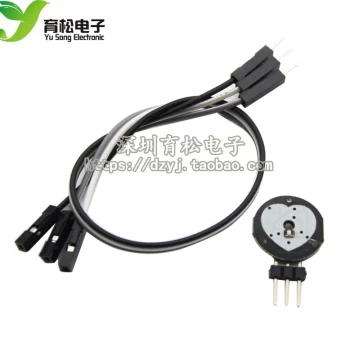
| Brand | - |
| Category | Electronic Components / Maker DIY / Computer Hardware, Monitors & Peripherals |
| Origin | - |
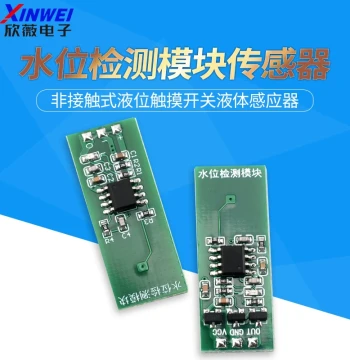
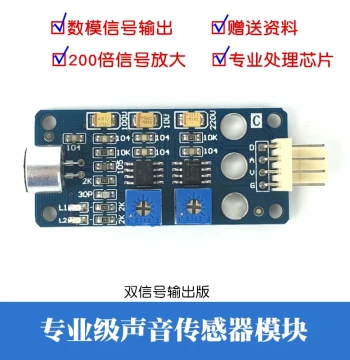
| Operating Voltage | 3.3V - 5V DC |
| Output Signal | Analog & Digital |
| Sensor Material | Gold-plated Nickel |
| PCB Dimensions | 65mm x 20mm |
| Net Weight | 15 grams |
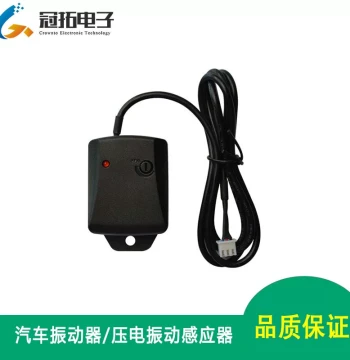
| Interface Type | 3-Pin PH2.0 Connector |
| Operating Temperature | -10°C to 50°C |
| Cable Length | 20 cm |
| Compatibility | Arduino, Raspberry Pi, ESP8266 |
| Protection Level | IPX4 Splash Resistant |
Anonymous
Mar 18, 2026
Rating: 5/5
Reliable analog output
I used this for a tank monitoring project. The analog values change smoothly with water depth. Great for calibration.
Anonymous
Mar 15, 2026
Rating: 4/5
Good value but cable is short
The sensor itself is accurate for detecting water levels in my plant pot. I wish the connecting cable was a bit longer for my setup.
Anonymous
Feb 27, 2026
Rating: 5/5
Perfect for my rain alarm
Works exactly as described. Easy to hook up to my Arduino Uno. Sensitivity is adjustable via the potentiometer.
Anonymous
Feb 18, 2026
Rating: 5/5
Easy integration
Plug and play with my ESP32. The digital output threshold is easy to set. Highly recommend for students.
Anonymous
Jan 20, 2026
Rating: 3/5
Corroded after few months
Worked great initially but noticed some corrosion on the traces after constant exposure to water. Good for temporary projects.
Q: What is the response time?
A: The response is nearly instant, typically under 100 milliseconds.
Q: Can I extend the cable?
A: Yes, you can solder extension wires, but ensure proper insulation to prevent short circuits.
Q: Can this be fully submerged?
A: It is splash resistant and can handle partial submersion, but long-term full submersion may reduce lifespan.
Q: Does it work with 3.3V logic?
A: Yes, it operates comfortably within the 3.3V to 5V range.
Q: Is there a library available?
A: This is a hardware sensor, so no specific library is needed. Standard analog read functions work.