Anonymous
Mar 25, 2026
Rating: 5/5
Perfect for MicroPython projects
This board works flawlessly with MicroPython. The setup was straightforward, and the performance is excellent for embedded learning.
Description
Reviews
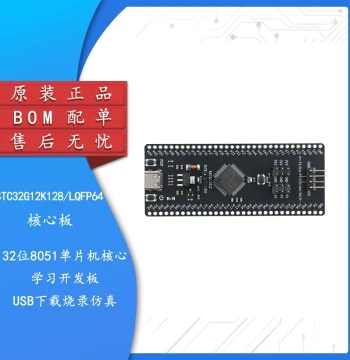
| Brand | - |
| Category | Robotics / STEM Teaching Tools / Development, Learning, Evaluation & Industrial Control Boards |
| Origin | - |
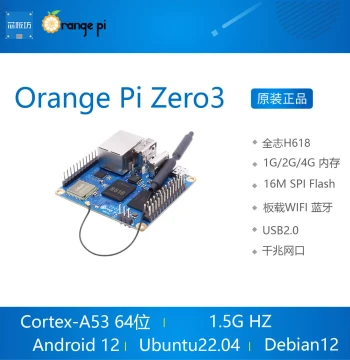
| Microcontroller Model | STM32F411CE / STM32F401CC |
| Flash Memory | 512 KB |
| SRAM | 128 KB |
| Core Architecture | ARM Cortex-M4 |
| Max Frequency | 100 MHz |
| Programming Support | MicroPython, C/C++, Arduino IDE |
| I/O Pins | 36 GPIO Pins |
| Communication Interfaces | UART, SPI, I2C, USB OTG |
| Power Supply | 3.3V (via USB or VIN pin) |
| Board Dimensions | 24mm x 18mm |
Anonymous
Mar 25, 2026
Rating: 5/5
Perfect for MicroPython projects
This board works flawlessly with MicroPython. The setup was straightforward, and the performance is excellent for embedded learning.
Anonymous
Mar 23, 2026
Rating: 5/5
Fast and reliable
The 100MHz clock speed makes a noticeable difference in my motor control algorithms. Highly recommended for robotics.
Anonymous
Mar 13, 2026
Rating: 4/5
Great value but needs careful handling
Solid hardware for the price. Just be careful with the pin headers as they are a bit tight. Otherwise, it runs my code without issues.
Anonymous
Mar 06, 2026
Rating: 5/5
Ideal for university projects
Used this for my final year project. The documentation online is plentiful, and the community support for STM32 is huge.
Anonymous
Mar 03, 2026
Rating: 4/5
Good starter board
As someone new to ARM development, this board was easy to get started with using the Arduino IDE. Lost one star because the USB cable wasn't included.
Anonymous
Mar 01, 2026
Rating: 5/5
Compact and powerful
Love the small form factor. It fits perfectly into my custom sensor nodes. The power consumption is also quite low.
Q: Can I power this board directly from a 5V USB source?
A: Absolutely. You can connect it via the micro-USB port, which regulates the 5V down to the required 3.3V for the MCU.
Q: Is the Thonny IDE compatible with this specific core board?
A: Yes, Thonny IDE is fully compatible. You just need to select the correct COM port and ensure the MicroPython firmware version matches.
Q: Are there example codes available for sensor integration?
A: Yes, we provide a GitHub repository link in the product manual containing examples for common sensors like DHT11, MPU6050, and OLED displays.
Q: What is the difference between the F411CE and F401CC versions?
A: Both have 512KB Flash, but the F411CE supports a higher maximum frequency (100MHz) compared to the F401CC (84MHz), offering slightly better performance.
Q: Does this board come with a pre-installed bootloader?
A: Yes, the board comes with a standard DFU bootloader allowing you to flash firmware via USB without an external programmer.