Anonymous
Mar 31, 2026
Rating: 5/5
Beginner friendly
As someone new to embedded systems, this board was easy to set up. The community support is growing fast, and most libraries I tried worked without modification. The build quality feels solid.
Description
Reviews
| Brand | - |
| Category | Robotics / STEM Teaching Tools / Development, Learning, Evaluation & Industrial Control Boards |
| Origin | - |
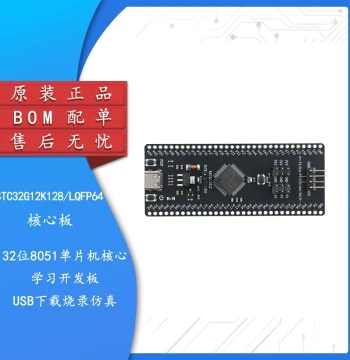
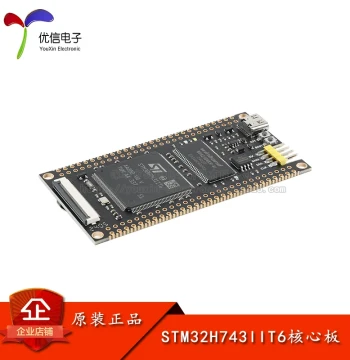
| Microcontroller | ESP32-C3FH4 |
| Wireless Connectivity | 2.4 GHz Wi-Fi (802.11 b/g/n) and Bluetooth 5 (LE) |
| CPU Architecture | 32-bit RISC-V single-core processor |
| Flash Memory | 4 MB |
| Operating Voltage | 3.3V |
| Input Voltage | 5V via USB-C or VIN pin |
| GPIO Pins | 22 programmable GPIOs |
| Interface | USB-to-UART bridge with USB-C connector |
| Dimensions | 56mm x 24mm x 12mm |
| Compatibility | Arduino IDE, ESP-IDF, MicroPython |
Anonymous
Mar 31, 2026
Rating: 5/5
Beginner friendly
As someone new to embedded systems, this board was easy to set up. The community support is growing fast, and most libraries I tried worked without modification. The build quality feels solid.
Anonymous
Mar 27, 2026
Rating: 4/5
Great value, minor documentation gaps
The hardware quality is excellent for the price. Wi-Fi connectivity is stable. However, finding specific pinout diagrams for some peripheral functions took a bit of digging compared to the older ESP32 boards.
Anonymous
Mar 23, 2026
Rating: 4/5
Solid for industrial sensors
We are testing these for a sensor network. The stability is good, and the temperature range seems adequate for our warehouse environment. Would give 5 stars if it came with header pins pre-soldered.
Anonymous
Mar 23, 2026
Rating: 5/5
Low power consumption winner
I switched from the ESP8266 to this C3 model for a battery-powered project. The deep sleep modes are incredibly efficient, and the Bluetooth LE integration is smooth. Highly recommended for wearable projects.
Anonymous
Mar 14, 2026
Rating: 5/5
Excellent signal strength
The antenna performance on this core board is surprisingly good. I get strong signals even through walls where my old boards struggled. The 2.4G WiFi is reliable for data logging tasks.
Anonymous
Mar 06, 2026
Rating: 5/5
Perfect for IoT prototyping
This board works flawlessly right out of the box. The USB-C connection makes it very convenient, and the RISC-V architecture is a great step forward. I had my first LED blinking in minutes using the Arduino IDE.
Q: Does this board support 5GHz Wi-Fi networks?
A: No, the ESP32-C3 chip only supports 2.4 GHz Wi-Fi networks. It does not have hardware support for the 5 GHz band.
Q: What is the maximum current draw per GPIO pin?
A: Each GPIO pin can source or sink up to 40mA. However, the total current for all ports combined should not exceed the limits specified in the Espressif datasheet to avoid damaging the chip.
Q: Can I power this board directly with a 3.7V LiPo battery?
A: Yes, you can connect a 3.7V LiPo battery to the 5V pin (through a diode if charging is not needed) or use the dedicated BAT pin if your specific board revision exposes it, but typically powering via the 5V input is safest as the onboard regulator handles the voltage conversion to 3.3V.
Q: Does this come with headers soldered?
A: This specific listing is for the core board only, which typically does not include pre-soldered headers. You will need to purchase male header pins separately and solder them yourself if you plan to use it with a breadboard.
Q: Is this compatible with the original ESP32 libraries?
A: Most Arduino libraries written for the ESP32 are compatible with the ESP32-C3, but you may need to select the 'ESP32C3 Dev Module' in your board manager. Some libraries relying on specific dual-core features or Bluetooth Classic may need adjustments.