A
Anonymous
Apr 13, 2026
Rating: 5/5
Stable Connection
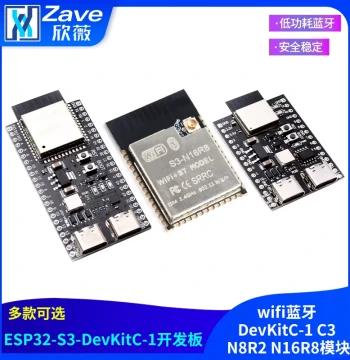
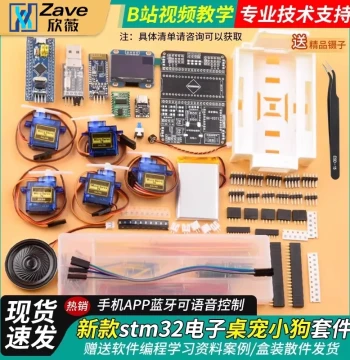
Wi-Fi range is better than expected compared to older ESP8266 boards. Bluetooth pairing is also very stable.
![[Youxin Electronics] Soil Moisture Meter Detection Module, Soil Moisture Sensor for Intelligent Robot Cars](https://www.gosteppe.com/cache/medium/product/3877/legacy-main-eca7a3fa750966e5dca86bbf.webp)


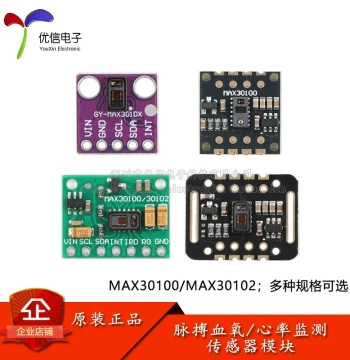
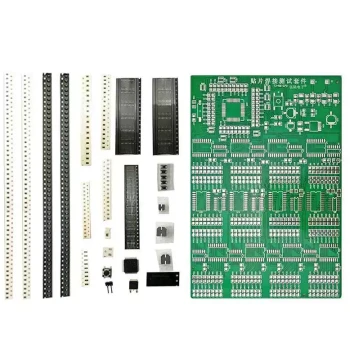
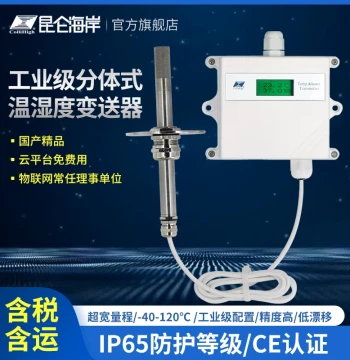
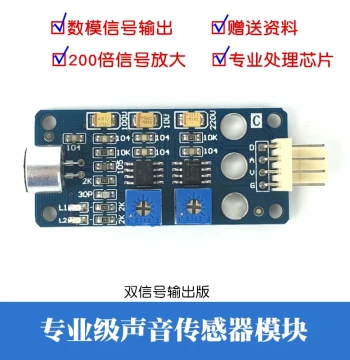
![[Puzhong Brand Store] 51 Microcontroller Learning Board Development Board Jiangxie Tech STC89C52 DIY Kit](https://www.gosteppe.com/cache/medium/product/1885/legacy-main-0474e8371f211cc54ab452b5.webp)
![[Corrosion-Resistant] DFRobot Capacitive Soil Moisture Sensor Module Dry/Wet Detection](https://www.gosteppe.com/cache/medium/product/3259/legacy-main-2f0d3454b36b32391d263648.webp)





![[Chip 3.0 Upgraded Model] Senzhou TDS Water Quality Tester for Tap and Drinking Water Health Monitoring](https://www.gosteppe.com/cache/small/product/268996/legacy-main-32173fe50b846ac0e87ae26e.webp)





![[Shenzhen Best Seller] Premium Wearable Negative Ion Air Purifier - Neck-Hanging Portable Electronic Mask](https://www.gosteppe.com/cache/small/product/268987/legacy-main-5f71c8070119587e6427efe9.webp)