Anonymous
Apr 13, 2026
Rating: 5/5
My son loves it
Perfect birthday gift for a teenager interested in robotics. Easy enough to assemble with parental help.
Description
Reviews
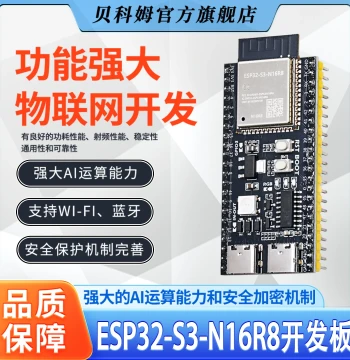
| Brand | - |
| Category | Electronic Components / Maker DIY / Development Boards & Control Boards |
| Origin | - |
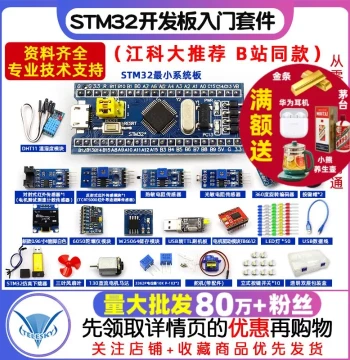
| Microcontroller Unit | STM32F103C8T6 ARM Cortex-M3 |
| Flash Memory | 64KB |
| SRAM | 20KB |
| Degrees of Freedom | 12 DOF Servo Control |
| Input Voltage | 5V DC via USB or Battery |
| Communication Interfaces | UART, I2C, SPI, SWD |
| Debugger Interface | SWD Programming Port |
| Kit Weight | 450g |
| Estimated Assembly Time | 2-4 Hours |
| Software License | MIT Open Source |
Anonymous
Apr 13, 2026
Rating: 5/5
My son loves it
Perfect birthday gift for a teenager interested in robotics. Easy enough to assemble with parental help.
Anonymous
Mar 16, 2026
Rating: 5/5
Excellent STEM Kit
Great for learning embedded C programming. The servos are responsive and the STM32 board is genuine. Highly recommend for engineering students.
Anonymous
Mar 15, 2026
Rating: 3/5
Documentation needs update
Board works but the wiki links were outdated. Had to search GitHub issues for solutions. Hardware quality is fine.
Anonymous
Mar 08, 2026
Rating: 5/5
Solid STM32 Base
Used this for a uni project. The pinout is accessible and allows for additional sensor integration beyond the kit.
Anonymous
Jan 19, 2026
Rating: 4/5
Good hardware, tricky setup
Servos work well but the initial driver installation took some time. Once configured, the puppy moves smoothly.
Q: Is the battery included in the kit?
A: No, the battery is not included. You will need a standard 5V Li-Po battery pack compatible with the connector.
Q: Is MicroPython supported on this kit?
A: Yes, the STM32 chip is capable of running MicroPython. Firmware files are available in our repository.
Q: What is the warranty period for this product?
A: We offer a 12-month warranty covering manufacturing defects on the PCB and servos.
Q: Which IDEs are supported for programming this board?
A: You can use STM32CubeIDE, Keil MDK, or PlatformIO with VS Code. Example code is provided for all three.
Q: Does this require soldering during assembly?
A: Minimal soldering is required. Most connections are plug-and-play, but you may need to solder headers for extra sensors.