Anonymous
Mar 31, 2026
Rating: 5/5
Perfect for motion detection projects
This LIS3DH module works flawlessly with my Arduino Uno. The I2C communication is stable, and the library support is excellent. Great sensitivity for tilt detection.
Description
Reviews
| Brand | - |
| Category | Robotics / STEM Teaching Tools / Sensors |
| Origin | - |
| Interface | I2C / SPI |
| Operating Voltage | 1.71V to 3.6V |
| Measurement Range | ±2g / ±4g / ±8g / ±16g |
| Output Data Rate | 0.5 Hz to 5.3 kHz |
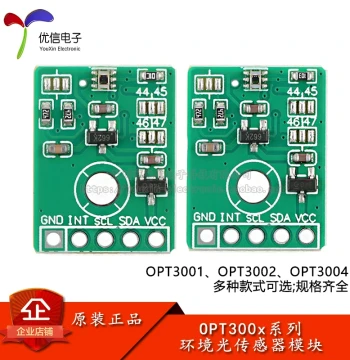
| Package Type | LGA-16 Breakout Board |
| Dimensions | 15mm x 12mm x 3mm |
| Weight | 2.5 grams |
| Temperature Range | -40°C to +85°C |
| Interrupt Pins | 2 Programmable Interrupts |
| Compatibility | Arduino, Raspberry Pi, STM32 |
Anonymous
Mar 31, 2026
Rating: 5/5
Perfect for motion detection projects
This LIS3DH module works flawlessly with my Arduino Uno. The I2C communication is stable, and the library support is excellent. Great sensitivity for tilt detection.
Anonymous
Mar 29, 2026
Rating: 5/5
Low power consumption
The sleep modes work exactly as specified in the datasheet. Perfect for battery-operated IoT devices that need to wake on motion.
Anonymous
Mar 25, 2026
Rating: 5/5
Great for learning embedded systems
Bought this for my university project. The documentation online is plentiful, and the sensor responds quickly to movement changes. Very happy with the purchase.
Anonymous
Mar 22, 2026
Rating: 5/5
Reliable data output
Using this for a vibration monitoring system. The configurable data rates allow me to balance power consumption and resolution perfectly. Highly recommended.
Anonymous
Mar 13, 2026
Rating: 4/5
Good value, easy to integrate
Solid sensor for the price. Setup was straightforward using the Adafruit library. Only minor issue is the soldering pads are a bit small for beginners.
Anonymous
Mar 09, 2026
Rating: 4/5
Compact and lightweight
Ideal for small drone builds where weight matters. The accuracy is sufficient for basic stabilization algorithms. Wish it came with header pins pre-soldered.
Q: Can this sensor measure vibration frequencies above 1kHz?
A: Yes, with the Output Data Rate set to 5.3 kHz, it can capture high-frequency vibrations effectively within its bandwidth limits.
Q: Is there a Python library available for Raspberry Pi?
A: Yes, several open-source Python libraries are available on GitHub and PyPI that support the LIS3DH via the SMBus/I2C interface on Raspberry Pi.
Q: What is the maximum supply voltage before damage occurs?
A: The maximum operating voltage is 3.6V. Exceeding this limit may permanently damage the sensor. Ensure your logic level matches this range.
Q: How do I change the measurement range from ±2g to ±16g?
A: You can change the range by writing to the CTRL_REG4 register via I2C or SPI. Specific bit settings are detailed in the STMicroelectronics datasheet.
Q: Does this module come with header pins included?
A: No, the module typically comes without header pins soldered to allow for flexible mounting options. You will need to solder them separately if required.