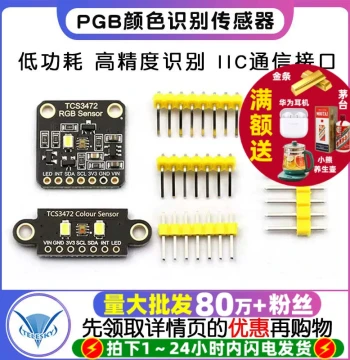
A
Anonymous
Apr 08, 2026
Rating: 4/5
Good value
Sensor is responsive. Only giving 4 stars because the pin labeling was a bit faint on my batch.
Description
Reviews
| Brand | - |
| Category | Root / Electronic Components / Maker DIY |
| Origin | - |
| Operating Voltage | 3.3V - 5V DC |
| Interface Type | 3-Pin / 4-Pin Header |
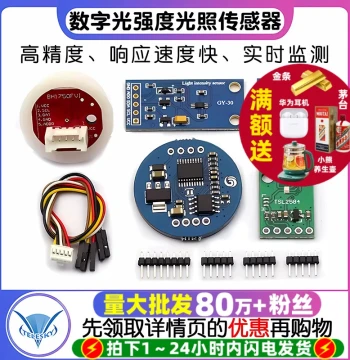
| Detection Component | GL5528 Photoresistor |
| Output Signal | Digital Switching Output (0 and 1) |
| PCB Dimensions | 32mm x 14mm x 5mm |
| Mounting Hole Size | 3mm Diameter |
| Comparator Chip | LM393 Wide Voltage Comparator |
| Sensitivity Adjustment | Via Blue Potentiometer |
| LED Indicator | Power & Output Status LEDs |
| Package Content | 1x Photoresistor Sensor Module |
Anonymous
Apr 08, 2026
Rating: 4/5
Good value
Sensor is responsive. Only giving 4 stars because the pin labeling was a bit faint on my batch.
Anonymous
Apr 04, 2026
Rating: 3/5
Needed help wiring
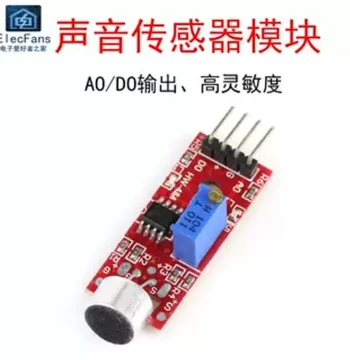
Works fine once connected correctly, but beginners might struggle with DO vs AO pins if not reading the wiki.
Anonymous
Feb 23, 2026
Rating: 5/5
Reliable Component
Bought five of these for a school project. All worked flawlessly out of the box.
Anonymous
Jan 28, 2026
Rating: 5/5
Great Sensitivity
The LM393 comparator makes the output very clean. No jittering signals.
Anonymous
Jan 18, 2026
Rating: 5/5
Perfect for Arduino Night Light
Works exactly as described. Easy to calibrate with the potentiometer. Used it for an automatic night light project.
Q: What is the detection range?
A: It detects ambient light intensity. The threshold is adjustable via the potentiometer based on your environment.
Q: Is the pinout standard?
A: Generally yes, but please check the silkscreen on the PCB. Usually VCC, GND, and DO.
Q: Does this provide analog output?
A: This module primarily provides digital output (DO). For analog, you need to read the photoresistor directly or check if your specific variant has an AO pin.
Q: How much current does it draw?
A: Typical consumption is low, around 10-20mA depending on LED status and load.
Q: Can I use this with 3.3V logic?
A: Yes, the operating voltage range is 3.3V to 5V, making it compatible with most 3.3V microcontrollers.

Touchmark Liquid Acrylic Markers with Soft Tips, Specialized for Elementary School Art, Ideal Birthday Gift for Children
$18.90

Paper Blending Stump for Sketching - Professional Art Tool with Blade for Highlights, Pastels, and Oil Pastels
$3.74

Wen Zhengming Small Regular Script Love Lotus Essay Brush Tracing Practice Copybook Calligraphy Paper Copying Custom Wholesale for Beginners
$8.80
Heavy-duty Industrial Scouring Pad Roll with Aluminum Oxide for Stainless Steel Polishing and Rust Removal
$57.52
1.06m Leather Slitting Machine – Wide-Range Strip Cutter for Leather, Luggage, and Rubber Materials
$16,250.00

Ceramic Double-Boiler Steaming Bowl with Lid – Ideal for Eggs, Bird's Nest, Custard, and Soup for Home or Commercial Use
$21.11
![[Ya Que You Sheng] DT900 PRO X Calibration File V2 Version EQ Equalization](https://www.gosteppe.com/cache/small/product/269040/legacy-main-a3c0c55ffaafe89c05afced1.webp)
[Ya Que You Sheng] DT900 PRO X Calibration File V2 Version EQ Equalization
$15.00

Ceramic Rabbit Egg Holder, Creative Irregular Egg Stand, Home Breakfast Small Dish, Craft Gift Ornament
$44.78

Hot-Selling Wire Money Tree Bonsai Base – Ceramic Pot for Wealth Attraction Incense
$37.00

Maike Outdoor Sports Waterproof Backpack Wet-Dry Separation Ski Bag Fishing Creek Fins Multi-Function Gear Storage
$152.00
Viral NFC Chip Stickers for Music Wall - Adhesive Read/Write Tags for Song Scanning, Cards, and Photo Frames
$2.38
Rechargeable Generation 2 Personal Air Purifier - Safe Portable Electric Fan for Travel Commuting and Flights
$181.00

Integrated Sink Splash Guard with Silicone Drain Mat - Auto-Draining Countertop Organizer
$23.30

Ultra-Light Aluminum Camping Light Pole – Foldable Mini Lamp Stand for Outdoor Picnics and Tabletop Use
$8.33
bimoz Under-Desk Cable Organizer No-Drill Shelf for Home Office Socket Strip Router Wire Data Cable Fixer Minimalist Wire Winder Dual-Side Mount Ventilated Design
$40.80

Extended Deep-Cut External Thread Tool Holder with Relief Groove for Swiss-Type Lathe HKFF42R6001
$15.50

Meiao Dental Imported Dental Implant Package, Swiss ITI Straumann Implant Abutment, False Teeth, Filling, and Planting
$14,188.00
Assorted Colors Kids' Painting Crayons - Washable Oil Pastels in 12, 18, 24, or 36 Colors for Graffiti and Coloring
$2.47

Fruit and Vegetable Slicer - Stainless Steel Commercial Electric Multi-Function Shredder for Radish, Potato, Cucumber, Pepper, Automatic
$2,880.00

CAAS-Developed Granular Insecticide and Fungicide for Vegetable Gardens – Soil Pest Control and Fertilizer for Enhanced Vegetable Growth and Yield
$13.50

Marie's C6823 Sketch Blending Stumps (3-Pack), Professional Charcoal and Pastel Smudging Tools for Art Students and Beginners, Hard/Small/Highlight Set on Newsprint
$7.48

Inverted Water Dispenser Stand with Manual Pump for Large Mineral Water Bottles
$67.00

Lanzhai Flagship Store Multifunctional Retro Brush Washer Set, Creative Ceramic Large National Painting Tea Rinse Bowl, Art Display Paperweight, Student Calligraphy Supplies
$8.42

Multi-Function Vanity Shelf Over Toilet - Floor-Standing Thickened Plastic Storage Cabinet for Squat Toilet Gaps
$52.49

100% Cotton Watercolor Paper Pad 300gsm - Cold/Hot Press, 8K/16K/32K Sizes, Glued on Four Sides for Academy & Portable Sketching
$11.90

Commercial Large Shredding Machine Tornado Potato Slicer Wavy Slice Equipment Carrot Slicer Multi-Function
$20,000.00

Electric Heating Pasteurization Tank – Horizontal Spray Type for Fresh Milk and Food Sterilization
$11,211.00
![[First Batch Deposit] Spring Cherry & Pear Snow - Original Lolita Ballet-Style Cake Dress Chinese JSK](https://www.gosteppe.com/cache/small/product/269019/legacy-main-be5286e5316da63aa7d52258.webp)
[First Batch Deposit] Spring Cherry & Pear Snow - Original Lolita Ballet-Style Cake Dress Chinese JSK
$5.00

Bottled Water Electric Pump Bracket, Mineral and Pure Water Dispenser, Automatic Water Outlet Device
$383.98
Micro-Hyperbaric Oxygen Chamber - Rigid Sit/Lie Model for Home and Commercial Use, High-Altitude Oxygen Therapy Room
$150.00


![[TELESKY] Touch Sensor Module, Momentary Capacitive Touch Button](https://www.gosteppe.com/cache/medium/product/75160/legacy-main-070f1630967c3103e9e7002f.webp)