Anonymous
Apr 13, 2026
Rating: 5/5
Seamless Arduino IDE integration
Uploaded my first sketch within minutes. The CH343 driver worked without issues on Windows 11.
Description
Reviews
| Brand | - |
| Category | Electronic Components / Maker DIY / Development Boards & Control Boards |
| Origin | - |
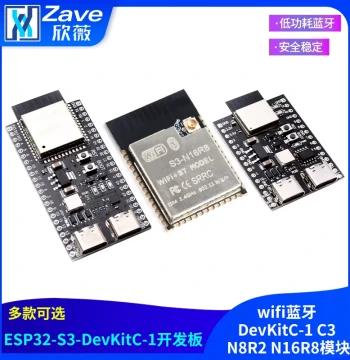
| Microcontroller | ESP32-C3 |
| CPU Architecture | 32-bit RISC-V |
| Flash Memory | 4MB |
| Wi-Fi Standard | 2.4GHz 802.11 b/g/n |
| Bluetooth Version | Bluetooth 5.0 LE |
| GPIO Pins | 22 Programmable |
| Operating Voltage | 3.3V |
| Input Interface | USB Type-C |
| Form Factor | SuperMini Compact |
| Development Support | Arduino, ESP-IDF, PlatformIO |
Anonymous
Apr 13, 2026
Rating: 5/5
Seamless Arduino IDE integration
Uploaded my first sketch within minutes. The CH343 driver worked without issues on Windows 11.
Anonymous
Apr 13, 2026
Rating: 4/5
Great value but pins are small
Works well for my home automation setup. Just be careful when soldering headers as the pins are quite close together.
Anonymous
Mar 20, 2026
Rating: 3/5
Good board, steep learning curve
Hardware is solid but finding specific libraries for some sensors took some time. Good for intermediate users.
Anonymous
Feb 24, 2026
Rating: 5/5
Low power consumption
Using this for a battery-powered sensor node. The deep sleep modes work exactly as specified in the datasheet.
Anonymous
Feb 21, 2026
Rating: 5/5
Perfect for small IoT projects
This board is incredibly small yet powerful. Connected to Wi-Fi instantly and the USB-C connection is very convenient.
Q: What is the maximum input voltage?
A: The board operates at 3.3V logic. You can power it via 5V USB-C or the 5V pin, but do not exceed 5V on GPIO pins.
Q: Are the headers pre-soldered?
A: No, this SuperMini version comes without headers to save space. You will need to solder them yourself if required.
Q: Does it support classic Bluetooth?
A: No, the ESP32-C3 only supports Bluetooth Low Energy (BLE 5.0), not classic Bluetooth.
Q: Is this compatible with the Arduino IDE?
A: Yes, this board is fully compatible with the Arduino IDE. You need to install the ESP32 board package.
Q: Can I power external sensors from this board?
A: Yes, there is a 3.3V output pin, but please ensure the total current draw does not exceed the regulator's limit.