A
Anonymous
Apr 01, 2026
Rating: 4/5
Good quality board
Works as expected. Soldering the gain jumpers was easy.
Description
Reviews
| Brand | - |
| Category | Electronic Components / Maker DIY / Computer Hardware, Monitors & Peripherals |
| Origin | - |
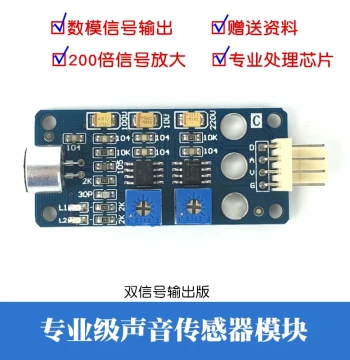
| Operating Voltage | 2.7V - 5.5V DC |
| Gain Settings | 20dB / 30dB / 40dB |
| Frequency Response | 20Hz to 20kHz |
| Signal-to-Noise Ratio | 92dB (A-Weighted) |
| Supply Current | 3.5mA (Typical) |
| Input Impedance | 2.2k Ohm |
| Output Type | Analog Audio |
| Microphone Type | Electret Condenser (Not Included) |
| PCB Dimensions | 20mm x 15mm x 3mm |
| Compatibility | Arduino, Raspberry Pi, ESP32 |
Anonymous
Apr 01, 2026
Rating: 4/5
Good quality board
Works as expected. Soldering the gain jumpers was easy.
Anonymous
Mar 19, 2026
Rating: 5/5
Low noise
Very quiet background noise. Great for recording speech.
Anonymous
Mar 04, 2026
Rating: 4/5
Solid performance
Good gain range. Wish it came with a mic but understood from description.
Anonymous
Feb 09, 2026
Rating: 5/5
Perfect for voice projects
Clean signal amplification. Used it with an ESP32 for voice recognition.
Anonymous
Jan 19, 2026
Rating: 5/5
Reliable module
Bought five for our student projects. All working perfectly.
Q: What is the maximum input voltage for the mic?
A: Please refer to the datasheet for your specific microphone, but the bias voltage is typically around 2V.
Q: Does this module include a microphone?
A: No, this is an amplifier module only. You need to connect an external electret microphone.
Q: How do I select the gain level?
A: There are solder jumpers on the PCB labeled for 20dB, 30dB, and 40dB settings.
Q: Can I power this with 3.3V?
A: Yes, the operating voltage range is 2.7V to 5.5V, so 3.3V is supported.
Q: Is the output signal digital or analog?
A: The output is an analog audio signal suitable for ADC input.

Custom Solid Wood Plaque, Antique-Style Wooden Sign with Engraving, Shop Signboard, Couplet, Carved Wood Plaque
$17.00
No-Drill Over-Toilet Storage Rack for Bathroom Wall Gap Behind Tank
$24.55

Upgraded Breakfast Food Warmer Display Cabinet - For Fried Chicken, Pies, Roasted Meat, with Crisp Preservation and Constant Temperature Control
$4,920.00

Butterfly Silicone Mold for Handmade Soap, Fondant, Chocolate, and Ice Cream
$14.00

Professional Music Services: Harmony Arrangement, Vocal Recording, Sheet Music, Mixing & Campus Orchestration
$20.00
Chunfei Grocery Store Yunan GR02 Gravel Bike Thru-Axle Disc Brake Light Load V Travel Many Rack Mounts
$6,445.00
![Pad Printing Silicone Head Mold with Blister Cover, Long Crystal Mold for Pad Printing Machines [Long Strip]](https://www.gosteppe.com/cache/small/product/270328/legacy-main-ca45adf23667d6b16fd9f3c4.webp)
Pad Printing Silicone Head Mold with Blister Cover, Long Crystal Mold for Pad Printing Machines [Long Strip]
$5.00
Remote-Controlled Automatic Fog Cannon for Xinjiang and Inner Mongolia Mines - Explosion-Proof, Anti-Freeze, Noise-Reducing Dust Suppression Sprayer for Coal Yards
$6,000.00

UV Glue for Bonding PET to Melamine Board, PC to Melamine Veneer, Invisible Adhesive for Glass Sliding Doors with UV Curing
$326.00
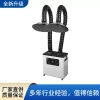
Mobile Welding Fume Purifier, Industrial Soldering Smoke Extractor, Welding Fume Collector and Exhaust Machine
$2,760.00

Upgraded Commercial Constant-Temperature Heated Display Cabinet for Fried Chicken, Meat Pies, and Breakfast Pastries
$5,510.00

2025 New Waterproof Swim Bag with Dry-Wet Separation - Lightweight Gym and Beach Tote for Men and Women
$14.80
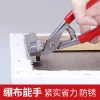
4-Piece Canvas Stretching Tool Set with Wide-Jaw Pliers, Manual Staple Gun, and Starter Tool for Oil Painting Frames, Includes Tutorial
$10.20
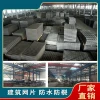
Construction Anti-crack Steel Wire Mesh 4mm for Concrete Floors - Thickened Galvanized Iron Grid
$10.59

Japanese Dopamine Style Portable Retainer Case with Mirror - Storage Box for Invisible Aligners and Dentures
$16.00

Traditional Rattle Drum Toy for Infants - Old-Style Handheld Bell, Wave Shaker, and Sand Hammer for Newborns Aged 0-1 Year; Suitable for Boys and Girls
$6.90
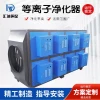
Low-Temperature Plasma Oil Fume Purifier Electrostatic Ion Module Equipment Rubber Plastic Smoke Treatment Device
$1,600.00
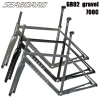
Chunfei Grocery Store - Yun'an GR02 Gravel Bike, Thru-Axle, Disc Brake, Lightweight Touring with Multiple Rack Mounts
$7,977.00

Cashmir Blending Knife Replacement Head Set, Sketch Neony Blending Heads, Sponge Blending Heads, Breathing Cotton for Art Students
$4.34
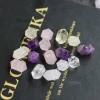
Natural Amethyst, Rose Quartz, Clear Quartz, and Lemon Quartz Double-Pointed Tumbled Beads for DIY Bracelets, Necklaces, and Earrings
$1.70

Accordion-Style Watercolor Sketchbook, 32k Foldable Blank Paper, 300g Cotton Pulp Fine Texture for Painting, A4 Stamp Collection Travel Journal, DIY Sticker Art Notebook
$9.70

Electric Watercolor Spray Pen Children Hand-painted Color Pa
$52.55
VFD 2.2kW 9.8A Single Phase 220V
$1,919.00
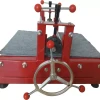
Printmaking Press Machine - Large Format Etching and Woodblock Printer for School Art Classes and Clubs
$583.11

Bread Rattle Superman Maraca Baby 0-1 Year Soothing Tool Newborn Safe to Chew Grip Training Hand Rattle
$8.80
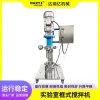
Direct Supply 0.75kw Laboratory Frame Mixer - Suitable for Mixing Fluid Materials, Adhesives, and Lithium Battery Applications
$2,395.00

Yonghe Hair Transplant Follicle Detection and Scalp Health Assessment - Consultation and Photodynamic Therapy Experience
$0.10
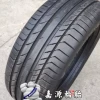
Continental CSC5 Tires – Sizes 215/225/235/245/255 x 40/45/50/55 R17/18/19/20/21
$725.00
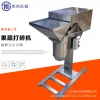
Commercial High-Speed Fruit and Vegetable Crusher and Puree Maker, Continuous Processing Equipment for Galangal, Fresh Ginger, Bell Peppers, and Tomatoes
$17,980.00

DIY Scented Candle Molds - 24 Popular Korean Acrylic PC Styles: Cylinder, Pointed Top, Flat Top, Square, Shell
$10.80