Anonymous
Mar 31, 2026
Rating: 5/5
Reliable and compact
Used three of these for a prototype. They are consistent in their readings and the large sensing area ensures quick detection. The build quality feels solid for a hobbyist component.
Description
Reviews
| Brand | - |
| Category | Robotics / STEM Teaching Tools / Sensors |
| Origin | - |
| Operating Voltage | 5V DC |
| Output Signal | Digital Switching Output (0 and 1) |
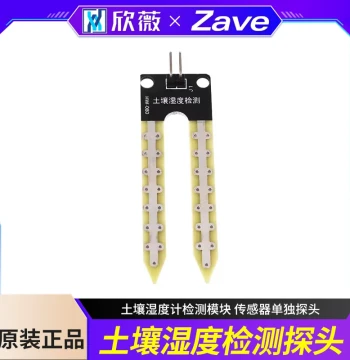
| Sensor Type | Resistive Raindrop Detection |
| PCB Size | 32mm x 14mm |
| Sensing Area | Large-area nickel-coated lines |
| Comparator Chip | LM393 |
| Adjustability | Sensitivity adjustable via potentiometer |
| Indicator | Power LED and Digital Output LED |
| Mounting Hole Diameter | 3.0mm |
| Application Scope | Arduino, Raspberry Pi, DIY Weather Stations |
Anonymous
Mar 31, 2026
Rating: 5/5
Reliable and compact
Used three of these for a prototype. They are consistent in their readings and the large sensing area ensures quick detection. The build quality feels solid for a hobbyist component.
Anonymous
Mar 26, 2026
Rating: 5/5
Exactly what I needed
Fast shipping and the product matches the description perfectly. It integrates seamlessly with my ESP8266 setup to send rain alerts to my phone. Highly recommended for IoT projects.
Anonymous
Mar 24, 2026
Rating: 4/5
Good value, needs calibration
Great little module for the price. Out of the box, it was a bit too sensitive, but after turning the potentiometer slightly, it works perfectly for my automatic window closer system. Just make sure to waterproof your connections.
Anonymous
Mar 13, 2026
Rating: 5/5
Perfect for my weather station project
This sensor works exactly as described. I connected it to my Arduino Uno, and the digital output triggered immediately when I sprayed water on it. The sensitivity potentiometer makes it easy to calibrate for light drizzle versus heavy rain.
Anonymous
Mar 10, 2026
Rating: 4/5
Works well, watch the corrosion
The sensor functions great. One thing to note is that the exposed nickel lines can corrode over time if left constantly wet. I recommend only powering it intermittently or coating the lines with a conformal coating if long-term exposure is expected.
Anonymous
Mar 08, 2026
Rating: 5/5
Easy to use for beginners
I am new to electronics and this was very easy to set up. Plenty of tutorials online for this specific module. The LEDs on the board help visualize when rain is detected, which is great for debugging.
Q: Can this be used directly with a 3.3V microcontroller like ESP32?
A: The sensor operates at 5V. While the digital output might work with 3.3V logic, it is recommended to use a logic level converter or run the sensor at 3.3V if the LM393 comparator supports it, to ensure safe communication with your ESP32.
Q: Is the sensor waterproof?
A: The sensing lines are designed to get wet, but the electronic components (chip, resistors, pins) on the PCB are not waterproof. You should mount the module at an angle or provide a shield to protect the electronics from direct rainfall.

Q: What is the current consumption of this module?
A: The module typically consumes around 20mA when active. For battery-powered projects, we suggest controlling the VCC pin with a transistor or MOSFET to power the sensor only when taking readings.
Q: Does this module output analog or digital signals?
A: This specific module provides a digital switching output (HIGH/LOW). If you need analog values to measure rain intensity, you would need to look for a version with an AO (Analog Output) pin, though some users read the voltage before the comparator.
Q: How do I adjust the sensitivity?
A: There is a blue potentiometer on the back of the PCB. Turn it clockwise to increase sensitivity (detect lighter rain) and counter-clockwise to decrease it. Test it with a spray bottle while monitoring the output LED.