Anonymous
Mar 27, 2026
Rating: 5/5
Sensitive and reliable
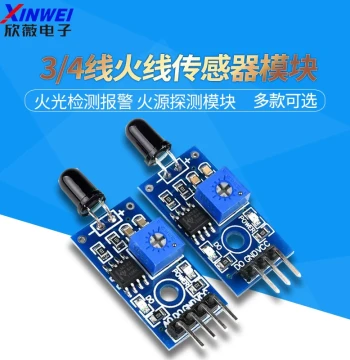
The potentiometer makes it super easy to adjust sensitivity without changing code. Highly recommend for anyone starting with IoT gardening.
Description
Reviews
| Brand | - |
| Category | Robotics / STEM Teaching Tools / Sensors |
| Origin | - |
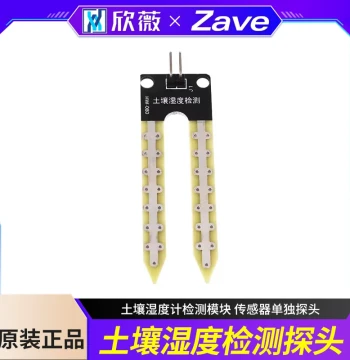
| Operating Voltage | 3.3V - 5V DC |
| Output Type | Digital (DO) and Analog (AO) |
| Detection Area | Approx. 40mm x 16mm |
| Indicator LED | Power and Threshold Status |
| Adjustable Sensitivity | Yes, via Potentiometer |
| Compatible Platforms | Arduino, Raspberry Pi, ESP32 |
| Probe Material | Nickel-plated Steel |
| Cable Length | 20 cm Flexible Wire |
| Application | Smart Agriculture, DIY Robotics |
| Package Includes | 1x Sensor Module, 1x Probe, Jumper Wires |
Anonymous
Mar 27, 2026
Rating: 5/5
Sensitive and reliable
The potentiometer makes it super easy to adjust sensitivity without changing code. Highly recommend for anyone starting with IoT gardening.
Anonymous
Mar 18, 2026
Rating: 4/5
Great value for learning projects
Bought this for a university smart car project. It detects soil moisture changes quickly. The only downside is the wires are a bit short for larger setups.
Anonymous
Mar 12, 2026
Rating: 5/5
Easy to integrate
Plug and play with standard microcontrollers. The digital output is great for simple on/off logic if you don't need granular data.
Anonymous
Mar 08, 2026
Rating: 5/5
Saved my indoor plants
Integrated this into a custom watering rig. It accurately tells the difference between damp and dry soil, preventing over-watering.
Anonymous
Mar 05, 2026
Rating: 4/5
Solid build quality
The nickel plating on the probes seems durable against corrosion. Readings are stable, though you need to account for soil type variations.
Anonymous
Mar 01, 2026
Rating: 5/5
Perfect for my automated plant system
This sensor works flawlessly with my Arduino setup. The analog output gives very consistent readings, making it easy to calibrate the watering pump threshold.
Q: How deep should I insert the probe into the soil?
A: For best results, insert the probe about 2-3 inches deep, ensuring both prongs are fully covered by soil but not touching the bottom of the pot.
Q: What is the lifespan of the metal probes?
A: With proper care and removal from highly acidic soils when not in use, the nickel-plated probes typically last 1-2 years before significant corrosion affects accuracy.
Q: Does this come with sample code for Arduino?
A: We provide a link in the package documentation to our GitHub repository containing example sketches for both analog and digital reading modes.
Q: Is the module waterproof?
A: The probe is water-resistant, but the PCB circuit board is not waterproof. Please keep the electronic components dry and above the soil line.
Q: Can this sensor be used directly with a 5V Raspberry Pi GPIO?
A: Yes, but please ensure you use the digital output pin with a pull-up resistor configuration or level shifter if reading analog values to protect the Pi's 3.3V logic.