Anonymous
Mar 28, 2026
Rating: 4/5
Compact and effective
Small footprint fits well on my robot chassis. The only minor issue is that the soldering pads are a bit small for thick wires, but standard jumper wires fit fine.
Description
Reviews
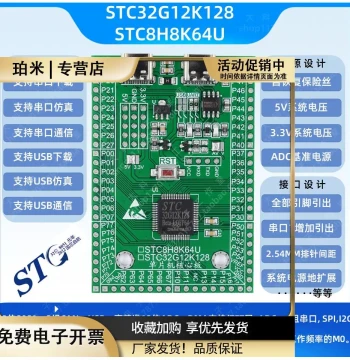
| Brand | - |
| Category | Robotics / STEM Teaching Tools / Sensors |
| Origin | - |
| Operating Voltage | 3.3V - 5V DC |
| Output Type | Digital Switching Output (0 and 1) |
| Pin Configuration | 3-Pin or 4-Pin Options |
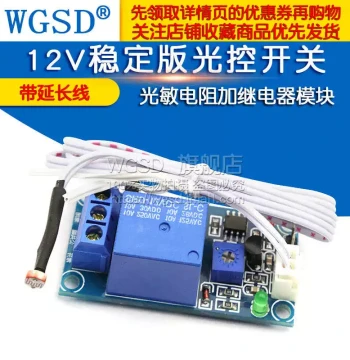
| Comparator Chip | LM393 |
| Sensitivity Adjustment | Potentiometer Included |
| PCB Size | 3.2cm x 1.4cm |
| Mounting Hole Diameter | 3mm |
| Indicator LED | Power and Output Status LEDs |
| Compatible Platforms | Arduino, Raspberry Pi, STM32 |
| Application Range | Light Control, Night Lights, Alarm Systems |
Anonymous
Mar 28, 2026
Rating: 4/5
Compact and effective
Small footprint fits well on my robot chassis. The only minor issue is that the soldering pads are a bit small for thick wires, but standard jumper wires fit fine.
Anonymous
Mar 21, 2026
Rating: 5/5
Perfect for Arduino Projects
This module works flawlessly with my Arduino Uno. The sensitivity potentiometer makes it very easy to calibrate for different lighting conditions. Great value for the price.
Anonymous
Mar 11, 2026
Rating: 5/5
Reliable light switch
Using this to trigger an LED strip when the room gets dark. The LM393 comparator provides a stable signal without flickering. Highly recommended.
Anonymous
Mar 11, 2026
Rating: 5/5
Great for classroom demos
Bought five of these for a university project. All of them worked out of the box. The digital output is clean and easy to read with a microcontroller.
Anonymous
Mar 07, 2026
Rating: 4/5
Good sensor, clear instructions needed
The hardware is solid and responds quickly to light changes. I wish the pinout diagram was clearer on the packaging, but a quick online search solved that. Works as expected.
Anonymous
Mar 07, 2026
Rating: 5/5
Excellent sensitivity range
I was surprised by how wide the adjustment range is on the potentiometer. You can set it to trigger in broad daylight or only in near-total darkness. Very versatile.
Q: Is the 4-pin version different from the 3-pin version?
A: Functionally they are identical. The 4-pin version simply includes an extra VCC or GND pin for easier breadboarding convenience. You only need to connect three wires to make it work.
Q: Does this module provide an analog output or just digital?
A: This specific module provides a digital switching output (HIGH/LOW) via the LM393 comparator. If you need analog values, please look for our LDR analog sensor variant.
Q: How do I adjust the sensitivity threshold?
A: Use the blue potentiometer on the board. Turn it clockwise to increase sensitivity (trigger in brighter light) or counter-clockwise to decrease it (trigger only in darker conditions). Use a small screwdriver for adjustment.
Q: Can I power this directly from a 5V USB source?
A: Yes, the operating voltage range is 3.3V to 5V, so connecting it to a standard 5V USB power source is perfectly safe and recommended.
Q: What is the maximum current the output pin can sink?
A: The output pin can typically sink up to 20mA, which is sufficient to drive a small LED directly. For higher loads like relays, we recommend using a transistor or driver circuit.