Anonymous
Mar 23, 2026
Rating: 4/5
Solid performance
Runs MicroPython smoothly. The only reason for 4 stars instead of 5 is that the USB port feels a bit loose on one of my units, but it still maintains connection.
Description
Reviews
| Brand | - |
| Category | Robotics / STEM Teaching Tools / Development, Learning, Evaluation & Industrial Control Boards |
| Origin | - |
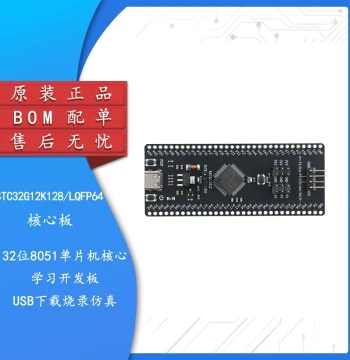
| Microcontroller | ESP8266EX |
| Flash Memory | 4MB (32Mbit) |
| Operating Voltage | 3.3V |
| Input Voltage | 5V via Micro-USB |
| Digital I/O Pins | 17 (GPIO0 to GPIO16) |
| Analog Input Pins | 1 (A0, 0-1.0V range) |
| Wi-Fi Standard | 802.11 b/g/n (2.4 GHz) |
| USB Interface | CH340G USB-to-UART Bridge |
| Programming Support | Arduino IDE, Lua, MicroPython |
| Board Dimensions | 58mm x 31mm x 13mm |
Anonymous
Mar 23, 2026
Rating: 4/5
Solid performance
Runs MicroPython smoothly. The only reason for 4 stars instead of 5 is that the USB port feels a bit loose on one of my units, but it still maintains connection.
Anonymous
Mar 17, 2026
Rating: 5/5
Best bang for your buck
Compared to other ESP8266 boards, this one offers the best combination of pin accessibility and onboard USB support. Highly recommended for home automation sensors.
Anonymous
Mar 15, 2026
Rating: 5/5
Reliable and fast shipping
I bought five of these for a university project. All of them connected to our local network without issues. The built-in LED is handy for debugging basic connectivity.
Anonymous
Mar 14, 2026
Rating: 4/5
Good board, minor pin labeling issue
The performance is excellent and Wi-Fi range is solid. However, the silk screen labeling for some GPIO pins is slightly hard to read under bright light. Otherwise, a great purchase for learning.
Anonymous
Mar 13, 2026
Rating: 5/5
Great for beginners
As someone new to embedded systems, this board made getting started with Wi-Fi projects very easy. Plenty of tutorials online specifically for the NodeMCU 12F model.
Anonymous
Mar 06, 2026
Rating: 5/5
Perfect for IoT prototypes
This board works flawlessly out of the box. The CH340 driver installed easily on Windows 10, and I was uploading code via Arduino IDE within minutes. Great value for the price.
Q: Is the A0 pin 5V tolerant?
A: No, the A0 analog input pin is not 5V tolerant. It accepts a maximum voltage of 1.0V. Applying higher voltages may damage the board.
Q: Can I power this directly from a 5V Arduino pin?
A: Yes, you can power the VIN pin with 5V from an Arduino or USB source. The onboard regulator will step it down to 3.3V for the ESP8266 chip.
Q: Does this board come with headers pre-soldered?
A: No, this board typically comes with unsoldered pin headers in the package to allow for flexible mounting options. You will need to solder them yourself.
Q: What is the maximum current this board can supply to sensors?
A: The onboard 3.3V regulator can typically supply up to 600mA, but it is recommended to keep the load under 200-300mA to prevent overheating during sustained use.
Q: Which driver do I need for Mac OS?
A: For macOS, you usually need the CH340 or CH341 serial driver. Most modern macOS versions may recognize it automatically, but if not, you can download the driver from the manufacturer's site.