Anonymous
Apr 16, 2026
Rating: 3/5
Works but headers were loose
The board functions correctly, but the pin headers were slightly loose in the socket. Had to solder them again. Otherwise fine.
Description
Reviews
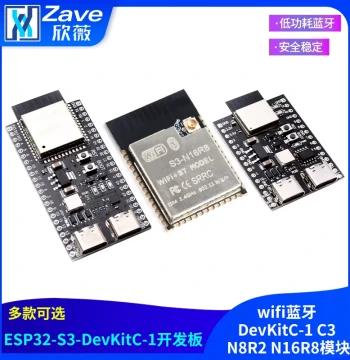
| Brand | - |
| Category | Electronic Components / Maker DIY / Development Boards & Control Boards |
| Origin | - |
| Microcontroller | ESP8266EX |
| USB Interface | CH340G |
| Flash Memory | 4MB (32Mbit) |
| Input Voltage | 5V via Micro USB |
| Operating Voltage | 3.3V |
| Wi-Fi Standard | IEEE 802.11 b/g/n |
| GPIO Pins | 17 Programmable |
| Clock Speed | 80MHz / 160MHz |
| Board Dimensions | 56mm x 31mm |
| Weight | 12 grams |
Anonymous
Apr 16, 2026
Rating: 3/5
Works but headers were loose
The board functions correctly, but the pin headers were slightly loose in the socket. Had to solder them again. Otherwise fine.
Anonymous
Mar 13, 2026
Rating: 4/5
Good value but needs drivers
Solid board for the price. Just make sure you download the CH340 drivers before connecting to Windows. Once set up, it uploads code quickly.
Anonymous
Mar 05, 2026
Rating: 5/5
Perfect for learning
Bought this for a university project. Documentation is plentiful online and the board performs as expected.
Anonymous
Feb 22, 2026
Rating: 5/5
Excellent for IoT starters
This board works flawlessly with the Arduino IDE. The CH340 driver was easy to install. Great for home automation projects.
Anonymous
Jan 22, 2026
Rating: 5/5
Reliable Wi-Fi connection
I have used many ESP8266 boards and this NodeMCU variant is very stable. The micro USB port is durable.
Q: Is this compatible with the Arduino IDE?
A: Yes, you can program this board using the Arduino IDE by selecting the NodeMCU 1.0 board profile.
Q: Can I connect 5V sensors directly?
A: No, the GPIO pins operate at 3.3V logic levels. Connecting 5V directly may damage the board. Use a level shifter.
Q: Do I need to install specific drivers?
A: Yes, this version uses the CH340 chip. You will need to install the CH340 USB-to-UART driver for your operating system.
Q: What is the maximum current output per pin?
A: Each GPIO pin can source or sink 12mA. The total current from all GPIOs should not exceed 200mA.
Q: Does it support MicroPython?
A: Yes, the ESP8266 module on this board is fully compatible with MicroPython firmware.