A
Anonymous
Apr 02, 2026
Rating: 5/5
High precision
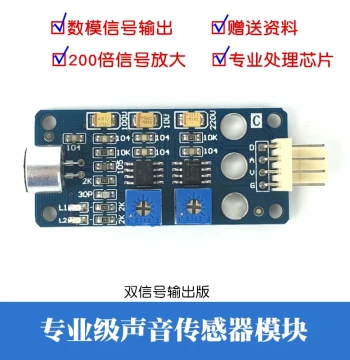
Much better than the built-in ADC on my Arduino Uno. I use this for audio envelope detection and it handles the dynamics well.
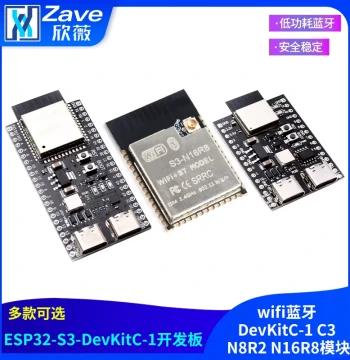
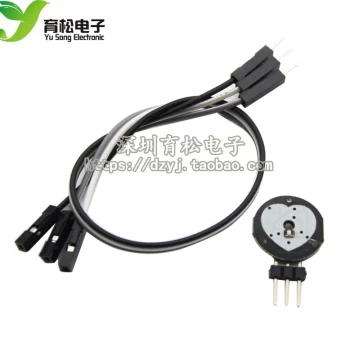
![[Youxin Electronics] Soil Moisture Meter Detection Module, Soil Moisture Sensor for Intelligent Robot Cars](https://www.gosteppe.com/cache/medium/product/3877/legacy-main-eca7a3fa750966e5dca86bbf.webp)

![[Puzhong Brand Store] 51 Microcontroller Learning Board Development Board Jiangxie Tech STC89C52 DIY Kit](https://www.gosteppe.com/cache/medium/product/1885/legacy-main-0474e8371f211cc54ab452b5.webp)
![[Corrosion-Resistant] DFRobot Capacitive Soil Moisture Sensor Module Dry/Wet Detection](https://www.gosteppe.com/cache/medium/product/3259/legacy-main-2f0d3454b36b32391d263648.webp)


![No-Shave Hair Transplant by Yongxiang Dean Team [Premium Customization], Unlimited Graft Count, Pain Management for Transplant Area](https://www.gosteppe.com/cache/small/product/269234/legacy-main-b28b879c33f1fe08b5eba226.webp)


![[Damai Holds Micro-Needle Hair Transplant Patent] Female Hairline | Non-Shaven Transplant 1000 Units | Forehead](https://www.gosteppe.com/cache/small/product/269231/legacy-main-b004541637d9aaa9d8c19288.webp)