Anonymous
Apr 06, 2026
Rating: 4/5
Good Accuracy
Readings match my calibrated hygrometer within expected tolerance. The only downside is the pins are a bit close together for breadboarding without an adapter.
Description
Reviews
| Brand | - |
| Category | Electronic Components / Maker DIY / Computer Hardware, Monitors & Peripherals |
| Origin | - |
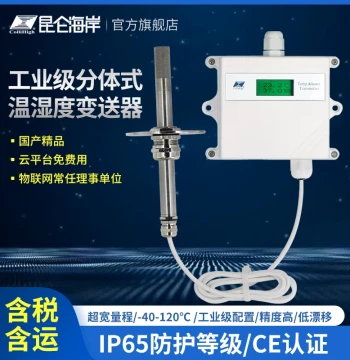
| Model Number | RHI-112A |
| Operating Voltage | 3.3V - 5.5V DC |
| Temperature Range | -40°C to +85°C |
| Humidity Range | 0% to 100% RH |
| Temperature Accuracy | ±0.3°C |
| Humidity Accuracy | ±2% RH |
| Interface Protocol | I2C / UART |
| Response Time | < 8 Seconds |
| Module Dimensions | 25mm x 15mm x 3mm |
| Package Weight | 5 Grams |
Anonymous
Apr 06, 2026
Rating: 4/5
Good Accuracy
Readings match my calibrated hygrometer within expected tolerance. The only downside is the pins are a bit close together for breadboarding without an adapter.
Anonymous
Apr 04, 2026
Rating: 4/5
Compact Size
Fits perfectly in my enclosure. Great value for the price during the special offer. Would buy again for future projects.
Anonymous
Mar 15, 2026
Rating: 5/5
Perfect for Weather Station
Integrated this into my home weather station project. The readings are consistent and match my professional equipment closely. Highly recommend for DIY enthusiasts.
Anonymous
Mar 08, 2026
Rating: 5/5
Easy to Use
Plug and play with Raspberry Pi. I found plenty of libraries online that support this chip architecture. Setup took less than 10 minutes.
Anonymous
Mar 07, 2026
Rating: 5/5
Stable Performance
No drift over the last month of use. I have it running in a server room to monitor environmental conditions and it has been reliable 24/7.
Q: Can I sink this in water?
A: No, the module is not waterproof. It measures humidity in the air but should not be submerged in liquid.
Q: Is there a Python library available?
A: Yes, it is compatible with standard Adafruit SHT libraries available via pip for Raspberry Pi and similar platforms.
Q: Does it require external pull-up resistors?
A: No, the module includes onboard resistors necessary for I2C communication, so you can connect it directly.
Q: What is the power consumption?
A: Average current consumption is around 150uA during measurement, making it suitable for battery-powered applications.
Q: Is this compatible with Arduino Uno?
A: Yes, fully compatible with 5V logic. You can connect it directly to the I2C pins on the Arduino Uno.