Anonymous
Apr 06, 2026
Rating: 5/5
Arduino IDE compatible
Easy to setup with the STM32duino bootloader. Makes prototyping much faster compared to writing raw register code.
Description
Reviews
| Brand | - |
| Category | Electronic Components / Maker DIY / Development Boards & Control Boards |
| Origin | - |
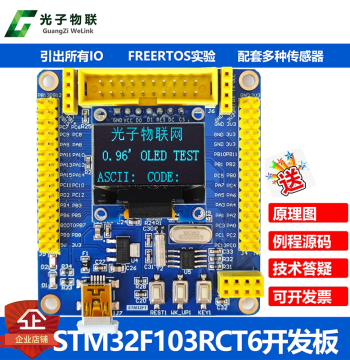
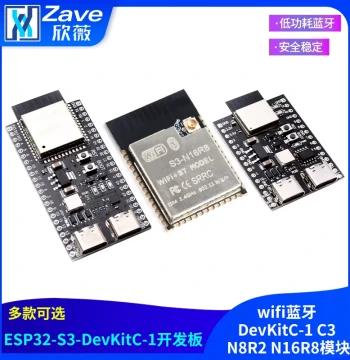
| Microcontroller Unit | STM32F103C8T6 |
| CPU Core | ARM Cortex-M3 32-bit RISC |
| Max Clock Speed | 72 MHz |
| Flash Memory | 64 KB |
| Static RAM | 20 KB |
| Operating Voltage | 3.3 V |
| Input Voltage Range | 3.3 V - 5 V (VIN) |
| GPIO Pins | 37 Programmable I/O |
| Programming Interface | SWD / JTAG |
| Board Dimensions | 53 x 23 mm |
Anonymous
Apr 06, 2026
Rating: 5/5
Arduino IDE compatible
Easy to setup with the STM32duino bootloader. Makes prototyping much faster compared to writing raw register code.
Anonymous
Mar 09, 2026
Rating: 5/5
Great for beginners
Works perfectly with ST-Link. I used this for my university embedded systems project and had no issues uploading code.
Anonymous
Mar 07, 2026
Rating: 4/5
Good value board
The board itself is high quality, but note that the pin headers are not soldered. You will need to do that yourself.
Anonymous
Feb 15, 2026
Rating: 3/5
Pinout confusing
Board works fine but the silkscreen labeling is a bit small. Had to refer to the datasheet frequently to find specific pins.
Anonymous
Feb 01, 2026
Rating: 5/5
Fast shipping
Arrived well packaged. Solid build quality and all pins tested functional. Highly recommend for hobbyists.
Q: What programmer do I need to upload sketches?
A: We recommend using an ST-Link V2 programmer for the best compatibility and debugging features.
Q: Does this board support the Arduino IDE?
A: Yes, this board is compatible with the Arduino IDE when you install the STM32duino board package.
Q: Is 5V logic tolerated on the GPIO pins?
A: No, the GPIO pins operate at 3.3V logic levels. Applying 5V directly may damage the microcontroller.
Q: Are the pin headers included and soldered?
A: The board typically comes without headers soldered. You will need to purchase and solder them separately.
Q: Can I power the board directly via the USB port?
A: Yes, you can power the board via the micro USB port, which provides 5V to the onboard regulator.