Anonymous
Apr 04, 2026
Rating: 4/5
Great Value Board
Hardware is excellent and compact. Documentation could be updated more frequently but community support helps.
Description
Reviews
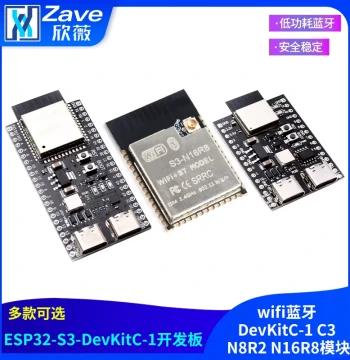
| Brand | - |
| Category | Electronic Components / Maker DIY / Development Boards & Control Boards |
| Origin | - |
| Chipset | Kendryte K210 |
| CPU Architecture | RISC-V 64-bit Dual Core |
| Main Frequency | 400MHz |
| SRAM | 8MB PSRAM |
| Flash Memory | 16MB SPI Flash |
| Programming Interface | USB Type-C |
| Breadboard Compatible | Yes |
| AI Accelerator | KPU Neural Network |
| Supported IDE | MaixPy IDE, VS Code |
| Power Supply | 5V via USB or 3.3V Pin |
Anonymous
Apr 04, 2026
Rating: 4/5
Great Value Board
Hardware is excellent and compact. Documentation could be updated more frequently but community support helps.
Anonymous
Feb 24, 2026
Rating: 3/5
WiFi Connectivity Issues
Board works well for AI tasks but the WiFi module is sometimes unstable during long runs.
Anonymous
Feb 20, 2026
Rating: 5/5
Compact and Efficient
Fits perfectly on my breadboard setup. The pinout is standard enough for most sensors.
Anonymous
Feb 11, 2026
Rating: 5/5
Perfect for Edge AI Projects
The K210 chip handles object detection smoothly. Great board for learning embedded AI without needing heavy hardware.
Anonymous
Feb 05, 2026
Rating: 5/5
Excellent RISC-V Experience
Best way to learn RISC-V architecture hands-on. MicroPython support makes prototyping very fast.
Q: What is the power consumption?
A: Approximately 200mA during normal operation, varies with AI workload and peripheral usage.
Q: Is the camera module included in this kit?
A: This kit usually includes the board, camera is sold separately depending on the specific bundle selected.
Q: Is there a microphone interface?
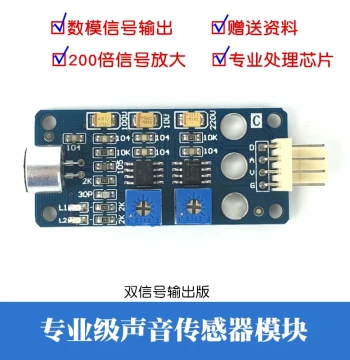
A: Yes, I2S interface supports digital microphones for audio processing projects.
Q: Can I deploy TensorFlow models?
A: Supports converted K210 compatible models via the Neural Network Accelerator.
Q: Does it support Arduino IDE?
A: Primarily designed for MaixPy and C SDK, Arduino support is limited via third-party libraries.