Anonymous
Apr 15, 2026
Rating: 5/5
Excellent for Embedded Projects
This board exceeded my expectations. The dual Ethernet ports are very useful for network-heavy applications. Setup with PYNQ was smooth.
Description
Reviews
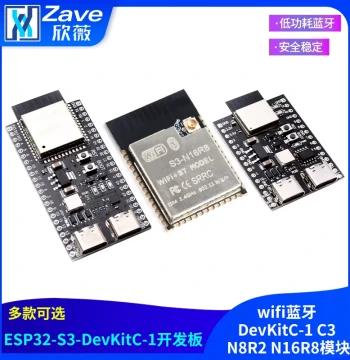
| Brand | - |
| Category | Electronic Components / Maker DIY / Development Boards & Control Boards |
| Origin | - |
| FPGA Chip | Xilinx Zynq-7020 / 7010 |
| Processor | Dual-Core ARM Cortex-A9 |
| System Memory | 1GB DDR3 SDRAM |
| Flash Storage | 16GB eMMC |
| Network Interface | Dual 10/100/1000 Mbps Ethernet |
| Video Output | HDMI 1.4 Port |
| USB Interface | USB OTG & Onboard JTAG |
| Expansion Headers | PMOD & Arduino Compatible |
| Power Supply | 5V DC via Micro USB |
| Software Support | PYNQ, Linux, Bare-metal |
Anonymous
Apr 15, 2026
Rating: 5/5
Excellent for Embedded Projects
This board exceeded my expectations. The dual Ethernet ports are very useful for network-heavy applications. Setup with PYNQ was smooth.
Anonymous
Mar 08, 2026
Rating: 4/5
Solid Hardware
Good value but documentation could be better for beginners. Once you get past the initial setup, the hardware is very stable.
Anonymous
Feb 26, 2026
Rating: 5/5
Great PYNQ Support
Setup was straightforward and the community support is helpful. Perfect for prototyping AI models on the edge.
Anonymous
Feb 18, 2026
Rating: 5/5
Perfect for Learning FPGA
My students love using this board for their final year projects. The onboard JTAG simplifies the workflow significantly.
Anonymous
Feb 01, 2026
Rating: 5/5
Fast Delivery
Board works as described. Arrived well packaged with all necessary cables. Highly recommend for developers.
Q: Is Vivado supported?
A: Yes, supports Xilinx Vivado Design Suite. Ensure you download the appropriate board files.
Q: Does it get hot during operation?
A: The board includes a passive heatsink. For intensive tasks, we recommend additional cooling.
Q: Is a JTAG cable needed?
A: No, the board features an onboard USB-JTAG programmer for configuration and debugging.
Q: What voltage input is required?
A: Standard 5V DC input via Micro USB port is required. Do not exceed 5.5V.
Q: Can I use Python for development?
A: Yes, PYNQ supports Python programming directly on the board for FPGA acceleration.