Anonymous
Mar 21, 2026
Rating: 3/5
Decent but tricky
Documentation is sparse. Had to search forums for wiring details. Module works but not beginner-friendly.
Description
Reviews
| Brand | - |
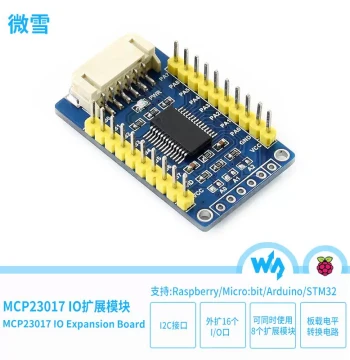
| Category | Electronic Components / Maker DIY / Computer Hardware, Monitors & Peripherals |
| Origin | - |
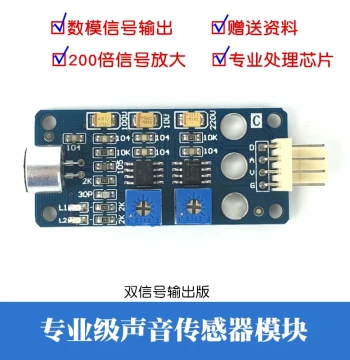
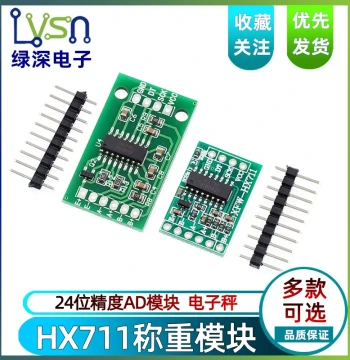
| Input Voltage | 3.3V - 5V DC |
| Output Signal | Analog Voltage (0-VCC) |
| Gauge Resistance | 350 Ohm Nominal |
| Operating Temperature | -20°C to 60°C |
| PCB Material | FR-4 Fire Retardant |
| Module Dimensions | 35mm x 20mm x 5mm |
| Weight | 3.5 grams |
| Gain Adjustment | Manual Potentiometer |
| Interface Type | PH2.0 4-Pin Connector |
| Compatibility | Arduino, STM32, ESP32 |
Anonymous
Mar 21, 2026
Rating: 3/5
Decent but tricky
Documentation is sparse. Had to search forums for wiring details. Module works but not beginner-friendly.
Anonymous
Feb 22, 2026
Rating: 4/5
Good sensitivity
Needs careful calibration to get stable readings, but once set up, it performs well for stress testing materials.
Anonymous
Feb 12, 2026
Rating: 5/5
High precision
Measured micro deformations accurately in a controlled environment. Excellent value for the price point.
Anonymous
Feb 07, 2026
Rating: 5/5
Great value
Using for robotics gripper feedback. Provides consistent analog output corresponding to pressure applied.
Anonymous
Feb 01, 2026
Rating: 5/5
Perfect for Arduino scales
Works flawlessly with my HX711 setup. The sensitivity is great for small weight measurements in my hobby project.
Q: Is this compatible with Arduino Uno?
A: Yes, this module operates at 5V and outputs an analog signal compatible with Arduino Uno analog pins.
Q: Is calibration required before use?
A: Yes, we recommend calibrating the potentiometer for zero balance and gain for your specific application.
Q: Where can I find the wiring diagram?
A: A basic wiring diagram is included in the product documentation package available on our website.
Q: What is the maximum weight capacity?
A: Capacity depends on the specific load cell or gauge arrangement you attach. The module amplifies the signal.
Q: Does it require external power supply?
A: It can be powered directly from the microcontroller VCC pin if within 3.3V-5V range.