A
Anonymous
Mar 08, 2026
Rating: 5/5
Fast response
Very responsive to light changes. I used the analog output for precise readings in my data logger.
Description
Reviews
| Brand | - |
| Category | Electronic Components / Maker DIY / Computer Hardware, Monitors & Peripherals |
| Origin | - |
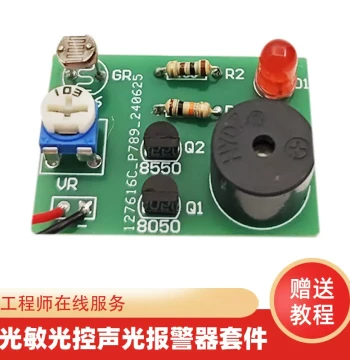
| Operating Voltage | 3.3V - 5V DC |
| Output Type | Digital Switch (DO) & Analog (AO) |
| Pin Interface | 4-Pin Header (VCC, GND, DO, AO) |
| Detection Type | Ambient Light Intensity |
| PCB Dimensions | 32mm x 14mm x 5mm |
| Comparator Chip | LM393 Voltage Comparator |
| Operating Temperature | -20°C to 70°C |
| Sensitivity | Adjustable via Blue Potentiometer |
| Compatibility | Arduino, STM32, Raspberry Pi, ESP8266 |
| Package Weight | 3 grams |
Anonymous
Mar 08, 2026
Rating: 5/5
Fast response
Very responsive to light changes. I used the analog output for precise readings in my data logger.
Anonymous
Feb 16, 2026
Rating: 4/5
Good sensor
Works well but needs calibration depending on your environment. Good value for the price.
Anonymous
Feb 14, 2026
Rating: 5/5
Perfect for automation
Used it for a night light project and it worked flawlessly. The sensitivity adjustment is very smooth.
Anonymous
Feb 09, 2026
Rating: 5/5
Great value
Cheap and effective for students. Easy to interface with Arduino Uno without extra libraries.
Anonymous
Jan 31, 2026
Rating: 4/5
Solid build
PCB quality is good and pins are sturdy. Wish it came with pre-soldered headers though.
Q: Is 5V input safe for this module?
A: Yes, the module supports an operating voltage range of 3.3V to 5V DC safely.
Q: Can this detect infrared light?
A: This module is primarily designed for visible ambient light detection, not specialized IR signals.
Q: Does the package include header pins?
A: Yes, the package includes a 4-pin header set, but you will need to solder them yourself.
Q: What is the maximum current consumption?
A: The module consumes low power, typically around 20mA when active.
Q: What is the voltage range on the analog output?
A: The analog output (AO) voltage varies from 0V to VCC depending on the light intensity detected.
Rechargeable Gen 2 Personal Air Purifier with Auto Fan for Travel, Commute, and Flights
$145.00
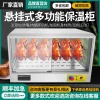
Roast Duck Warmer Cabinet, Constant Temperature Box, Commercial Crispy Pork Belly Hanging Duck Cabinet, Roasted Chicken and Cooked Food Display Warmer
$318.00

Guangda Dental | Straumann Implant Services for Missing Teeth Restoration (Foshan Branch Only)
$2,052.00

Painted Wooden Colored Pencils Set with Gold Powder, Creative Engineering Pencils for Gongbi Coloring, Basic Packaging
$11.12

South Korea Dentium Dental Implant Abutment with Full Ceramic Crown for Missing Tooth Restoration
$1,980.00

Balloon Warm Star Pre-order Unspoken Words Phase 3 17 Years Old Little Bean 'Chance Encounter' Series Merchandise
$22.00
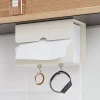
Tissue Holder Magnetic Punch-free for Mirror Cabinets
$5.73
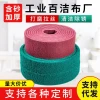
Industrial Scouring Pad Roll – Abrasive Brushed Cloth for Stainless Steel Polishing and Finishing
$20.00
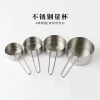
DIY Aromatherapy Candle Wax Melting Cup – Stainless Steel Handle Heating Pot with Multi-Size Measuring Spoons and Color Mixing Cup
$5.78
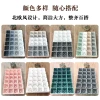
7-Piece Square Pot Set B with Tray, Plastic Colorful Succulent Pots, Simple and Durable Design for Root Explosion and Control, White Square Pots
$53.00
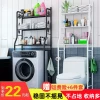
Multi-Layer Over-Toilet Storage Rack, Floor-Standing Laundry Organizer for Bathroom, Balcony, No-Drill Installation
$31.42

Feiyue Car Tires: Sizes 205, 195, 215, 255; Longteng Series 45, 50, 25, 65, 60R16, 17 Rim 8
$485.00

2 Pieces Free Shipping Outdoor Rafting Creek Swimming Gear Dustproof Waterproof Bag Wearable or Handheld Ultra-Light Storage Sack
$8.50
![[Dental Implant Chief Specialist] Implant Examination and Treatment Planning](https://www.gosteppe.com/cache/small/product/268856/legacy-main-c23225af0fb2c31bbd4f46a1.png)
[Dental Implant Chief Specialist] Implant Examination and Treatment Planning
$9.90

Wall-Mounted Toilet Storage Rack - No-Drill Bathroom Shelf Organizer for Above the Toilet
$26.07
New Wireless Car Vacuum Cleaner, High Suction Home Use, Compact Handheld Silent High-Power Vacuum
$114.00

Electric Watercolor Spray Pen Children Hand-painted Color Pa
$47.55

Cement-Specific Pigment Powder for DIY Crafts, Gypsum Dye for Creative Flower Pot Coloring
$3.83
9 Garrett iCover 270 Twin 5RX Restech 072.6S28 Turbocharger 20-Dragon 0TXD GT 37042
$6,755.00
Household Small Range Hood, Portable USB Desktop Fume Extractor for Living Room Hot Pot and BBQ Odor Removal, Mini Smoke Absorber
$41.00

Retainer Storage Box, Clear Case for Invisible Aligners with Mirror, Portable Orthodontic Appliance Carrier, Instagram Style
$13.40

Hairline Transplant | No-Shave Hair Transplant | 1-1500 Units Long Hair Planting for Natural Flow and Volume - Department Director Service
$25,800.00
Zhong Yao Xuan Shi Biao Small Regular Script Hard Pen Copybook, 1.8cm Column Width, Tear-Off Sheets for Precise Tracing – Source of Regular Script
$29.70
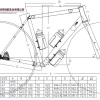
Chunfei Grocery Store Yun'an GR02 Gravel Bike Thru-Axle Disc Brake Lightweight Touring with Multiple Rack Mounts
$8,974.00

Anti-Tangle High-Strength Grade 100 Lifting Chain for Industrial Hoisting
$776.44

DIY Rose Essential Oil Handmade Soap Customization
$35.00
Adjustable Height Simple Storage Shelf - Wooden and Iron Bookcase, Steel-Wood Supermarket Display Rack
$256.00
DIY Handmade Soap Mold - Carnation Flower Rectangular Silicone Mold for Homemade Soap, Mother's Day Gift
$14.30
Fried Chicken Warmer Cabinet with Heat Lamp Small Single-Layer Insulated Box for Pies Youtiao Chestnuts and Roasted Sweet Potatoes Display Case
$500.00

Dried & Preserved Flower DIY Kit for Scented Candles – Ocean Style for Festivals, Team Building, and Workshops
$6.83