Anonymous
Apr 14, 2026
Rating: 5/5
Excellent precision
Replaced an optical encoder with this. Much more durable in dusty environments and no signal dropout.
Description
Reviews
| Brand | - |
| Category | Electronic Components / Maker DIY / Computer Hardware, Monitors & Peripherals |
| Origin | - |
| Chip Model | MT6826S |
| Supply Voltage | 3.3V to 5.0V DC |
| Output Signals | ABZ Incremental + UVW Commutation |
| Resolution | 14-bit (Configurable) |
| Max Mechanical Speed | 30,000 RPM |
| Operating Temperature | -40°C to +85°C |
| Interface Protocol | SPI for Configuration |
| Accuracy | ±0.5° Typical |
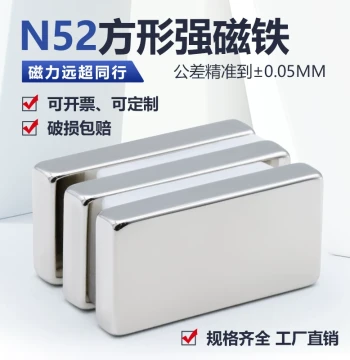
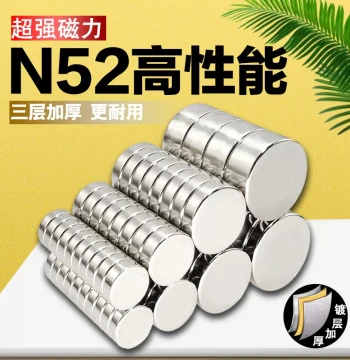
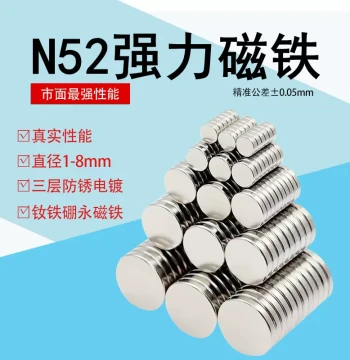
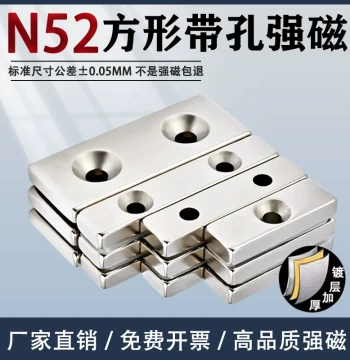
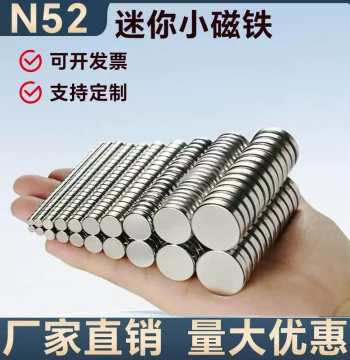
| Magnet Requirement | Diametrically Magnetized Ring |
| PCB Dimensions | 25mm x 25mm |
Anonymous
Apr 14, 2026
Rating: 5/5
Excellent precision
Replaced an optical encoder with this. Much more durable in dusty environments and no signal dropout.
Anonymous
Apr 09, 2026
Rating: 3/5
Needs external pull-ups
Works but had to add pull-up resistors on ABZ lines for my controller. Not plug and play for all boards.
Anonymous
Apr 02, 2026
Rating: 4/5
Good sensor, tricky magnet alignment
Performance is great once aligned. Instructions could be clearer on magnet height and air gap tolerance.
Anonymous
Feb 14, 2026
Rating: 5/5
High speed performance confirmed
Tested up to 20k RPM without signal loss. Very stable output even under vibration.
Anonymous
Feb 02, 2026
Rating: 5/5
Perfect for my BLDC project
Works flawlessly with the STM32. UVW signals are clean and stable. Highly recommend for motor control applications.
Q: Can I change the ABZ resolution?
A: Yes, resolution is configurable via the SPI interface registers according to the datasheet.
Q: Does this come with connecting wires?
A: No, this is a bare module. Headers are soldered but wires are not included.
Q: Is this compatible with 5V Arduino logic?
A: Yes, the module supports 3.3V to 5V input logic levels directly.
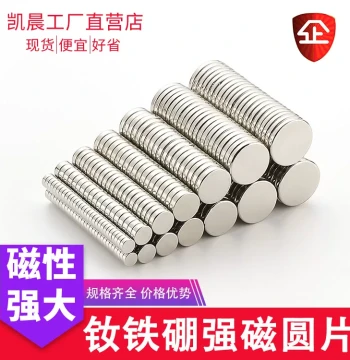
Q: What magnet dimensions do you recommend?
A: We suggest a 6mm diameter by 2mm thickness diametric magnet for optimal performance.
Q: Is UVW output suitable for FOC control?
A: UVW is typically for commutation. FOC usually requires absolute angle data via SPI.