Anonymous
Apr 09, 2026
Rating: 5/5
Perfect for abrasive materials
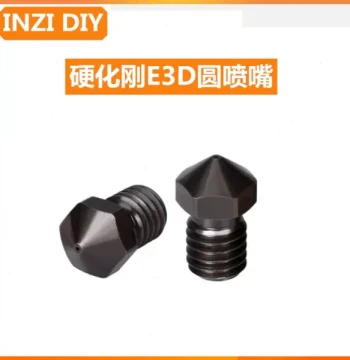
I use carbon fiber filled nylon and this hardened steel nozzle shows no wear after 500 grams.
Description
Reviews
| Brand | - |
| Category | 3D Printing Accessories / Hot End and Nozzle |
| Origin | - |
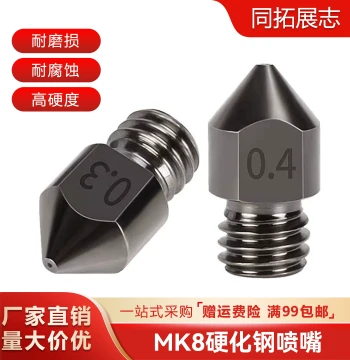
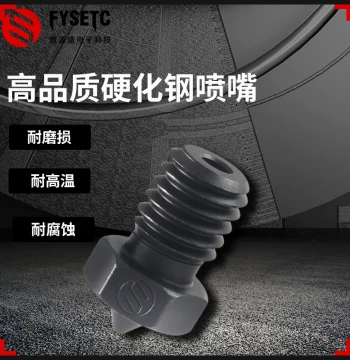
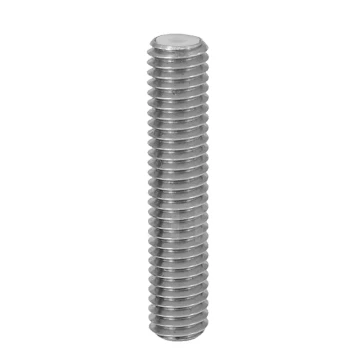
| Material | Hardened Steel |
| Compatibility | E3D Volcano Hotend |
| Nozzle Diameter | 0.4mm |
| Thread Size | M6 |
| Max Temperature | 450°C |
| Hardness Rating | 60 HRC |
| Flow Enhancement | Triple-Hole CHT Design |
| Weight | 14 grams |
| Surface Finish | Polished Interior |
| Country of Origin | China |
Anonymous
Apr 09, 2026
Rating: 5/5
Perfect for abrasive materials
I use carbon fiber filled nylon and this hardened steel nozzle shows no wear after 500 grams.
Anonymous
Mar 30, 2026
Rating: 4/5
Good value clone
Works just like the original but at a fraction of the cost. Threads were slightly tight at first.
Anonymous
Feb 21, 2026
Rating: 3/5
Installation needed care
Performance is good but I had to be careful not to cross-thread during installation. Instructions would help.
Anonymous
Feb 04, 2026
Rating: 5/5
Excellent flow rate
This nozzle significantly improved my print speed without losing quality. Handles PLA and PETG well.
Anonymous
Jan 27, 2026
Rating: 5/5
Standard for our farm
We bought ten of these for our printer farm. Consistency is high across all units.
Q: How does this compare to the genuine E3D CHT?
A: Our clone offers similar performance and geometry at a more affordable price point, backed by our warranty.
Q: Does this come with a gasket or seal?
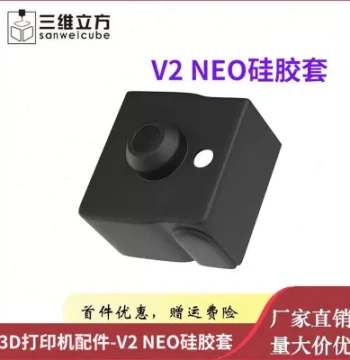
A: No, this package includes only the nozzle. Please ensure your hotend has a functional silicone sock or seal.
Q: Can I use this with abrasive filaments?
A: Yes, the hardened steel construction makes it suitable for carbon fiber, wood fill, and glow-in-the-dark filaments.
Q: Is this compatible with E3D V6 hotends?
A: No, this nozzle is specifically designed for the Volcano hotend system due to its longer length.
Q: What is the recommended tightening torque?
A: We recommend tightening the nozzle while the hotend is heated to approximately 200°C to ensure a proper seal.