A
Anonymous
Feb 26, 2026
Rating: 5/5
Reliable component
Used several of these for a line follower robot. Consistent performance across all units.
Description
Reviews
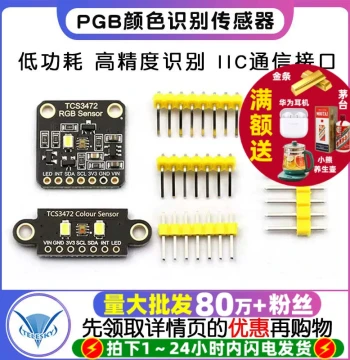
| Brand | - |
| Category | Root / Electronic Components / Maker DIY |
| Origin | - |
| Operating Voltage | 3.3V - 5V DC |
| Output Signal | Digital Switching Output (0 and 1) |
| Pin Interface | 3-Pin or 4-Pin (GND, VCC, OUT) |
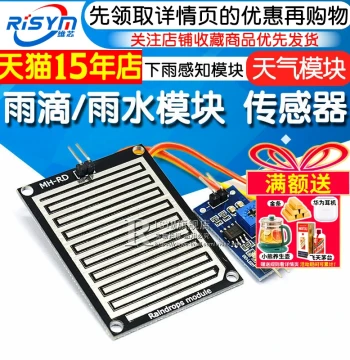
| Sensor Type | Photoresistor (LDR) |
| PCB Dimensions | 32mm x 14mm |
| Mounting Hole Diameter | 3mm |
| Comparator Chip | LM393 |
| Sensitivity Control | Adjustable Potentiometer |
| Indicator LEDs | Power and Output Status |
| Package Contents | 1x Module, 1x Set of Dupont Wires |
Anonymous
Feb 26, 2026
Rating: 5/5
Reliable component
Used several of these for a line follower robot. Consistent performance across all units.
Anonymous
Feb 20, 2026
Rating: 5/5
Great for light sensing projects
This module works perfectly with my Arduino Uno. The sensitivity adjustment is very responsive.
Anonymous
Jan 28, 2026
Rating: 5/5
Perfect for school project
Easy to wire up and detect light changes accurately. Shipping was fast too.
Anonymous
Jan 24, 2026
Rating: 4/5
Good value for money
Works as described. Instructions could be clearer for beginners but overall satisfied.
Anonymous
Jan 19, 2026
Rating: 4/5
Solid build quality
PCB looks clean and soldering is good. Potentiometer feels a bit tight but works.
Q: Does it provide analog output?
A: This specific module provides a digital switching output. For analog, check our LDR sensor without comparator.
Q: Are the Dupont wires male-to-female?
A: Yes, the included wires are female-to-female jumper wires suitable for breadboards.
Q: What is the maximum current draw?
A: The module draws approximately 10mA when the output LED is active.
Q: Is this compatible with 3.3V microcontrollers?
A: Yes, the module operates comfortably between 3.3V and 5V DC.
Q: How do I adjust the sensitivity?
A: Use the blue potentiometer on the board. Turn clockwise to increase sensitivity.

Manufacturer Supply ZSJC02 Film Splicing Table, Alignment Table, Film Inspection Table
$4,484.00

Box-Type Oxygen Generator Export Equipment - Stable Nitrogen and Oxygen Production for Wastewater Treatment
$25,000.00
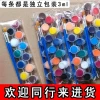
Wholesale Acrylic Paint Stick Set, 3ml x 12 Colors, Non-Toxic for Children's DIY and Street Art
$2.01

Cheese Processing Equipment - Small Pasteurized Fresh Milk Production Line, Fully Automatic Cheese Making Machine
$66,500.00

Household Mini Range Hood, Portable USB Desktop Smoke Extractor for Living Room Hot Pot & BBQ Odor Removal
$41.00

Sanitary Grade Stainless Steel Low-Temperature Vacuum Single-Effect Falling Film Evaporator for Milk Powder and Juice Processing
$4,158.00

Chain Shortener & Lifting Rigging - Double Chain Hook Assembly for Overhead Cranes and Hoists
$130.00
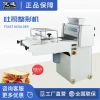
Youlian Toast Shaping Machine Dough Molder Square Bread Shaper Bakery Equipment YSN-T380
$9,695.20
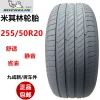
Michelin Tire 255/50R20 109V - Compatible with VW Teramont, Trumpchi GS8, AITO M7, Li Auto L7/L8/L9, and NIO ES6
$550.00

Traditional Wooden Rattle with Sheepskin Head for Early Education Newborns Boys and Girls Visual Tracking Grip and Hearing Training
$11.88

French Canson Classic Printmaking Paper 100% Cotton 320g for Screen Printing, Woodcut, Copperplate, Lithography; 250g Cotton Pulp 60*76cm Half Sheet 8K Quarter Sheet A4 Printmaking Painting Tool Set Ink Roll Rubbing Paper
$7.65

Fan Start Capacitor 8uF for ABB ACS800 VFD
$350.00

babycare Baby Rattle with Teether for Newborns, Silicone Shaker Bell Educational Toy for Infants and Toddlers
$39.90
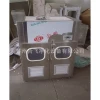
Class 100 Clean Workbench and Laminar Flow Hood, Negative Pressure Weighing Booth, Direct from Manufacturer
$2,475.00
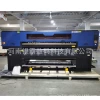
1.9m 4-Printhead Digital Sublimation Printer for Diatom Mud, Polyester Fabric, and Garment Heat Transfer Printing
$600.00

ergo5950 Acrylic Specialty Adhesive - High-Strength Bond for Acrylic Sheets, PMMA, Glass, Fish Tanks, PLA, and PC Boards
$57.84

Invisalign Orthodontic Retainer Storage Box - Compact Portable Cleaning Case for Teeth Aligners and Dentures
$12.30
![[Camizong] Lilith's Claw – Gothic-Style Fork Acrylic Check-In Stick for Badge Display with Magnetic Backing](https://www.gosteppe.com/cache/small/product/269664/legacy-main-61a7c901e7dad39a31ac652a.png)
[Camizong] Lilith's Claw – Gothic-Style Fork Acrylic Check-In Stick for Badge Display with Magnetic Backing
$11.70
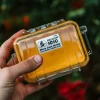
PELICAN 1010 Outdoor Waterproof Micro Case for Earphones and Cable Storage
$25.00
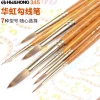
Korea Hwahong Model 345 Detail Liner Brush for Painting - Recommended by Xijiu 011
$12.52

Stainless Steel Oil Painting Medium Dispenser and Brush Washer Cup for Students, Diluent and Watercolor Paint Supplies
$3.80
![[Cao Quan Stele Beginner Set] Beginner Clerical Script Learning Set](https://www.gosteppe.com/cache/small/product/269660/legacy-main-054d3f92ef4f63a19b4a6651.webp)
[Cao Quan Stele Beginner Set] Beginner Clerical Script Learning Set
$41.60

Manyue Car Aromatherapy Hand-Mold Plaster DIY Raw Material Scented Diffuser Stone White Hard Plaster Powder 500G
$5.95
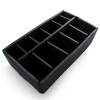
Pelican Soft Grid Dividers for Case 1510 - Compatible with 1500, 1550, and 1610 Models
$170.00

Children's Orthodontic Expander Storage Case, Portable Retainer Box with Lanyard for Frankel Appliances
$14.33

Portable Denture Storage Case for Elderly - Cleaning and Soaking Box for False Teeth and Retainers
$19.30

Handmade Soap Wrought Iron Hanging Rack, DIY Grape/Lychee Soap Display Hook, Premium Creative Gift Decor
$4.08
Stainless Steel Parallel Brush Roller Washer - Sand Removal Equipment for Oysters and Vegetable Cleaning
$8,175.00

Camellia Scented Plaster DIY Kit Parent-Child Team Building Car Vent Diffuser Ornament with Tutorial Included
$3.23
Glass Bonding High-Transparency Waterproof UV Adhesive Shadowless Glue 7194V for Small Glass Fish Tanks & Vases
$105.00