A
Anonymous
Apr 09, 2026
Rating: 4/5
Solid performance
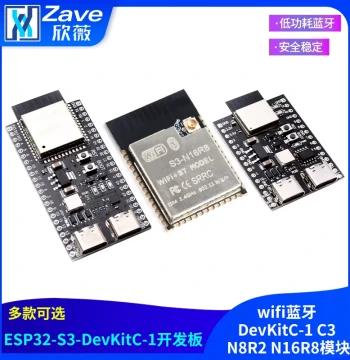
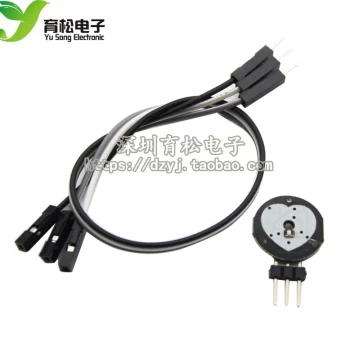
Works well for my sensor projects. Only giving 4 stars because the pin headers were not pre-soldered, but that is expected for this price point.
![[Youxin Electronics] Soil Moisture Meter Detection Module, Soil Moisture Sensor for Intelligent Robot Cars](https://www.gosteppe.com/cache/medium/product/3877/legacy-main-eca7a3fa750966e5dca86bbf.webp)

![[Puzhong Brand Store] 51 Microcontroller Learning Board Development Board Jiangxie Tech STC89C52 DIY Kit](https://www.gosteppe.com/cache/medium/product/1885/legacy-main-0474e8371f211cc54ab452b5.webp)
![[Corrosion-Resistant] DFRobot Capacitive Soil Moisture Sensor Module Dry/Wet Detection](https://www.gosteppe.com/cache/medium/product/3259/legacy-main-2f0d3454b36b32391d263648.webp)


![MOOCAT [Polaroid Style] Hand-drawn Blank Irregular Wood Pulp Fine-grain Paper for Cyanotype, Street Vending, and Art Projects](https://www.gosteppe.com/cache/small/product/270441/legacy-main-3390792413846e9dfc410750.webp)







![[Daimai Holds Micro-Needle Hair Transplant Patent] Little Red Cap Hydro Glow | Scalp Hydration and Repair](https://www.gosteppe.com/cache/small/product/270424/legacy-main-ecbdc6ee4688639f4a8ef150.webp)