Anonymous
Apr 11, 2026
Rating: 3/5
Driver issues on Windows
Had to install CH340 drivers manually from the manufacturer website. The board itself works fine after that hurdle.
Description
Reviews
| Brand | - |
| Category | Electronic Components / Maker DIY / Development Boards & Control Boards |
| Origin | - |
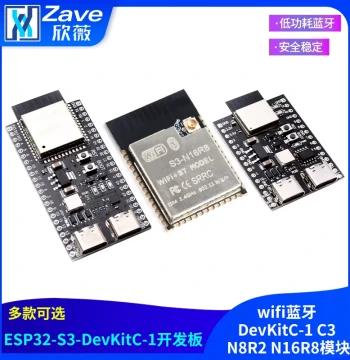
| Microcontroller | ESP8266EX |
| USB Interface Chip | CH340 |
| Operating Voltage | 3.3V |
| Input Voltage | 5V via Micro USB |
| Flash Memory | 4MB |
| SRAM | 96KB |
| Clock Speed | 80MHz / 160MHz |
| WiFi Standard | 802.11 b/g/n |
| Digital I/O Pins | 17 |
| Board Dimensions | 58mm x 31mm x 13mm |
Anonymous
Apr 11, 2026
Rating: 3/5
Driver issues on Windows
Had to install CH340 drivers manually from the manufacturer website. The board itself works fine after that hurdle.
Anonymous
Apr 01, 2026
Rating: 5/5
Arduino IDE Compatible
Uploaded my first sketch easily. The CH340 chip is recognized quickly on my Mac. Highly recommend for beginners.
Anonymous
Mar 06, 2026
Rating: 5/5
Excellent for beginners
Clear pinout and stable connection. I use it for home automation sensors and it hasn't disconnected once in a month.
Anonymous
Mar 06, 2026
Rating: 4/5
Good value
Great board but drivers took some time to install on Windows 10. Once set up, it works flawlessly with the Arduino IDE.
Anonymous
Jan 22, 2026
Rating: 5/5
Perfect for IoT projects
Works straight out of the box. I was able to connect it to my home WiFi and control an LED within minutes. Great value for the price.
Q: Can it power 3.3V sensors directly?
A: Yes, there is a 3.3V output pin capable of supplying power to low-current sensors. Do not exceed the maximum current rating.
Q: Is the CH340 driver included in the box?
A: No, the driver is not included physically. Please download the latest CH340 drivers from our website or the chip manufacturer's site.
Q: Does this work with the Arduino IDE?
A: Yes, this board is fully compatible with the Arduino IDE. You will need to install the ESP8266 board manager package.
Q: What is the maximum current per GPIO pin?
A: We recommend drawing no more than 12mA per GPIO pin to ensure stability and longevity of the ESP8266 chip.
Q: What voltage should I use to power this externally?
A: You can supply 5V via the VIN pin or use the Micro USB port. The onboard regulator handles the conversion to 3.3V.