A
Anonymous
Apr 14, 2026
Rating: 5/5
Easy Integration
Plug and play with Raspberry Pi GPIO. Very helpful for learning about environmental sensors.
Description
Reviews
| Brand | - |
| Category | Electronic Components / Maker DIY / Computer Hardware, Monitors & Peripherals |
| Origin | - |
| Operating Voltage | 3.3V to 5V DC |
| Output Type | Digital Switch Output (0 and 1) |
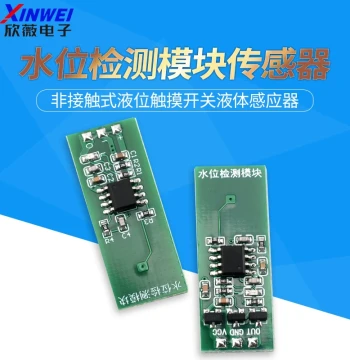
| Comparator Chip | LM393 Wide Voltage Comparator |
| Board Size | 64mm x 16mm |
| Sensing Area | 40mm x 16mm Nickel Coated Lines |
| LED Indicators | Power and Output Status LEDs |
| Potentiometer | Adjustable Sensitivity Control |
| Interface | 3-Pin PH2.54 Connector |
| Operating Temperature | -10°C to 70°C |
| Weight | 5 grams |
Anonymous
Apr 14, 2026
Rating: 5/5
Easy Integration
Plug and play with Raspberry Pi GPIO. Very helpful for learning about environmental sensors.
Anonymous
Feb 23, 2026
Rating: 4/5
Good but delicate
Functions well for detection but the exposed traces might corrode over time if left outdoors without protection.
Anonymous
Feb 14, 2026
Rating: 3/5
Sensitivity Issues
Had to adjust the potentiometer quite a lot to get stable readings. Works okay for heavy rain.
Anonymous
Feb 05, 2026
Rating: 5/5
Fast Shipping
Excellent quality for the price. Arrived quickly and was packaged securely against static damage.
Anonymous
Jan 25, 2026
Rating: 5/5
Great for Arduino Projects
Works perfect with my Uno board. The sensitivity adjustment is very responsive and easy to set up.
Q: Does it provide analog rain intensity data?
A: No, this module provides a digital switch output only. It indicates presence or absence of rain.
Q: How heavy does the rain need to be to trigger?
A: It detects water drops directly on the nickel coated lines. Sensitivity is adjustable via the potentiometer.
Q: Is this module compatible with 3.3V logic?
A: Yes, this sensor works with both 3.3V and 5V DC operating voltages.
Q: What are the pinout details?
A: The three pins are VCC (Power), GND (Ground), and DO (Digital Output).
Q: Can I leave this sensor outside permanently?
A: We recommend protecting the PCB from direct exposure to elements to prevent corrosion over time.

Baby Rattle with Teether for 0-1 Year Olds; Ideal Gift for Children's Day
$14.80

Meiyike Granular Sheep Manure Fertilizer, Fermented and Composted for Vegetables and Flowers, Home Potted Plants, Garden Soil Activator
$37.54

Face Towel Storage Box Wall-Mounted Bathroom Tissue Holder
$2.98

Baby Rattle Toy - Chewable Wooden Handheld Drum with Sheepskin, Traditional Newborn Toy for Boys and Girls
$13.00

Mineral Water Bucket Inverted Stand 6L Bottle Pump Dispenser Manual Pressure Water Extractor for Water Coolers
$2.09

Marie's Sketch Blending Stumps & Makeup Sponges – Professional Art Supplies for Students
$6.06

Compact Home Range Hood, Portable USB Desktop Smoke Extractor for Hot Pot and BBQ Odor Removal
$39.00
Wen Zhengming Small Regular Script: Three Versions of Thousand Character Classic, Two Versions of Red Cliff Ode, Close-Up Copying Cards, Wen Zhengming Calligraphy Model Book
$10.00
Custom Name Stamp, Personalized Seal, Photo-Sensitive Signature Stamp
$7.04

Variable Frequency Drive Accessory RMIO Flat Cable for ACS800
$120.00

Qimeng Island WAKUKU 'Start Cheating Now' Series Blind Box, Celebrity Style Plush Toy
$69.00

Orthodontic Invisible Aligner Case Retainer Storage Box Teeth Corrector Denture Compact Portable Cleaning Box
$12.30

Sentury 990 Silent Tire - Sizes 185/195/205/215/225/50/55/60/65 R16/R17/R18/R19
$342.00

Adult Outdoor Rafting Gear – Large PVC Mesh Waterproof Dry Bag for Swimming and River Trekking
$7.26

Universal Reading Pen Storage Rack – Compatible with Xiao Ji Qiu Qiu, Tun Xiao Meng, Caterpillar, and JOJO Reading Pens
$10.80
![[Daimai Holds Micro-Needle Hair Transplant Patent] Micro-Needle Artistic Hairline Planting, 3000 Grafts for Hair Loss Treatment](https://www.gosteppe.com/cache/small/product/268890/legacy-main-a2a0f70c2e837e7e69cf16aa.webp)
[Daimai Holds Micro-Needle Hair Transplant Patent] Micro-Needle Artistic Hairline Planting, 3000 Grafts for Hair Loss Treatment
$71,950.00
PELICAN Air 1535 Lightweight Protective Case, Waterproof Photography Gear Carry-On Luggage with Free Shipping
$219.00

Beginner Calligraphy Set: Tian Yingzhang Ou Style Kaishu Copybook, Xuan Paper, and Red-Guided Practice Kit
$9.90
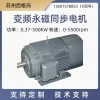
Three-Phase AC Permanent Magnet Synchronous Motor 15KW 380V Variable Frequency
$3,493.00

Genuine OEM Car Tires for Pickups, SUVs, and Vans - Sizes 145, 155, 165, 175, 185, 195 R12
$60.00

Freestanding Toilet Storage Rack - No-Drill Bathroom Organizer with Tank Shelf and Tissue Basket
$19.04

Packaging Machine for Salted Duck Eggs and Chicken Wings, Adjustable Frequency Speed MFL Drying Unit, Manufacturer Discount
$37,800.00

Portable Retainer Storage Case – Compact Box for Children's Orthodontic Appliances and Invisalign Aligners
$13.30
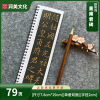
Tang Dynasty Ouyang Xun 'Stele of Lord Huangfu' Calligraphy Copybook, Close-Up Tutorial, Single Volume 79 Pages
$9.90

Marco Sketchbook - 8K Sketch Paper, 16K Colored Pencil Paper, A4 Marker Paper for Art Students and Kids
$9.30
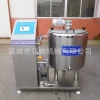
Economic Pasteurization Machine, Commercial Pasteurization Tank, Small Dairy Processing Equipment, Direct from Manufacturer
$3,430.00

Authentic Cat PAI Little Companion Daily Blind Box Figurine, Cute Siamese Cat Desktop Pet, Action Figure Birthday Gift
$8.41

CANDLE.LAB | Non-Bleeding, Non-Seeping DIY Scented Candle Solid Thread Pigment - Fluorescent Dye Colors
$12.80

Small-Scale Yogurt Production Line, Pasteurized Milk Processing Equipment, Yogurt Sterilization and Fermentation Tank
$1,260.00

Blue Field Outdoor Lightweight Wear-Resistant Waterproof Dry Bag for Rafting and Stream Trekking, Storage Pouch for Miscellaneous Items, 10L/20L/40L/70L
$14.00
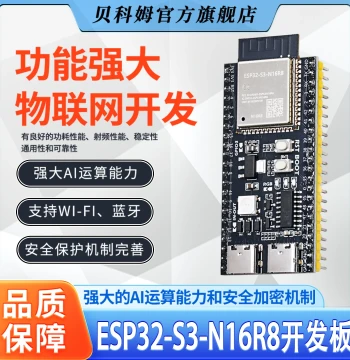
![[Youxin Electronics] Soil Moisture Meter Detection Module, Soil Moisture Sensor for Intelligent Robot Cars](https://www.gosteppe.com/cache/medium/product/3877/legacy-main-eca7a3fa750966e5dca86bbf.webp)


![[Corrosion-Resistant] DFRobot Capacitive Soil Moisture Sensor Module Dry/Wet Detection](https://www.gosteppe.com/cache/medium/product/3259/legacy-main-2f0d3454b36b32391d263648.webp)