A
Anonymous
Mar 04, 2026
Rating: 5/5
Great value for money
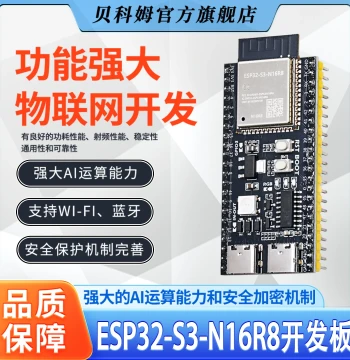
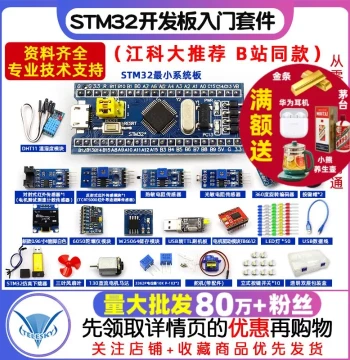
Bought five for different automation projects. All working perfectly out of the box. Fast response time.
![[Youxin Electronics] Soil Moisture Meter Detection Module, Soil Moisture Sensor for Intelligent Robot Cars](https://www.gosteppe.com/cache/medium/product/3877/legacy-main-eca7a3fa750966e5dca86bbf.webp)



![[Corrosion-Resistant] DFRobot Capacitive Soil Moisture Sensor Module Dry/Wet Detection](https://www.gosteppe.com/cache/medium/product/3259/legacy-main-2f0d3454b36b32391d263648.webp)





![[Kiss Me If You can × COMIPLUS+] Collaboration Merchandise Online Pre-Sale](https://www.gosteppe.com/cache/small/product/269590/legacy-main-839d2b1dc46f1d2a5e11650b.png)





![[Deposit] Xingweimian Lolita 2025 Spring/Summer Rain Falling on Celadon Fishbone Elegant CL Original Formal Dress](https://www.gosteppe.com/cache/small/product/269584/legacy-main-b7d69fcd01bf0df79a1c8eb8.webp)


![[Buy 2 Get 10% Off] Lanzhai Purple Iris Painted Felt Mat – Thickened, Moisture-Resistant, Non-Pilling for Calligraphy & Painting](https://www.gosteppe.com/cache/small/product/269581/legacy-main-603d11ff0e43b7741fb1dc38.webp)